

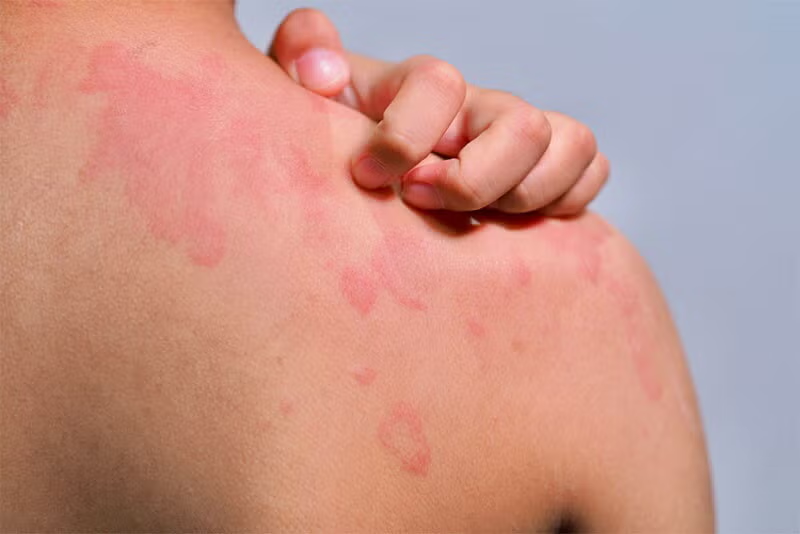
Food allergy in kids is a condition where a child’s immune system reacts abnormally to certain foods, triggering a range of symptoms that can affect the skin, digestive system, and even breathing. In Singapore, studies suggest that food allergies in children are becoming increasingly common, with estimates showing that up to 8% of kids may be affected. Among the various symptoms, skin reactions are often the first visible sign, making them a crucial indicator for parents to notice early.
Recognizing these signs promptly is essential not only for managing discomfort but also for preventing more serious allergic reactions. Learn more about identifying and managing food allergy in kids here https://thedermclinic.com.sg/food-allergy-in-children/ to protect your child’s health and well-being.
Why Skin Is Often Affected in Food Allergies
The skin is one of the most common areas where food allergies manifest in children. When a child’s immune system mistakenly identifies a harmless food protein as a threat, it releases chemicals such as histamine into the body. These chemicals trigger inflammation and irritation, which often appear on the skin first. As a result, children may develop red, itchy rashes, hives, or eczema flare-ups soon after consuming an allergenic food.
Dermatologists frequently observe these early signs because the skin provides a visible window into the body’s immune response. While digestive or respiratory symptoms may also occur, they can be harder for parents to notice immediately. Recognizing these skin reactions early allows for quicker intervention, reducing discomfort and helping prevent more severe allergic responses.
Common Skin Symptoms of Food Allergy in Kids
When it comes to food allergy in kids, certain skin reactions are more frequently observed and can serve as early warning signs. Parents should keep an eye out for the following:
- Hives (Urticaria): Raised, red, itchy bumps that may appear suddenly after eating a trigger food.
Eczema Flare-Ups: Worsening patches of dry, itchy, and inflamed skin, especially in children who already have a history of eczema. - Swelling (Angioedema): Puffy areas, often around the lips, eyes, or face, sometimes accompanied by discomfort.
- Redness or Rash: Persistent redness on the cheeks, arms, or torso that appears shortly after meals.
- Itchy Bumps or Spots: Small, raised spots resembling mosquito bites that can appear anywhere on the body.
These symptoms can appear within minutes to a few hours after eating the allergenic food. Early recognition allows parents to manage reactions promptly and seek professional advice from a dermatologist or pediatrician, helping prevent complications.
Less Common but Important Skin Reactions
While hives, eczema flares, and swelling are the most recognized signs of food allergy in kids, some skin reactions can be subtler yet still indicate an allergic response. Parents should be aware of these less obvious symptoms:
- Persistent Redness: Red patches that linger after meals, even without itching, may signal a mild reaction.
- Unusual Itchy Areas: Itchiness on the scalp, hands, or feet, rather than typical eczema sites, can sometimes be linked to food triggers.
- Small Raised Bumps: Tiny, raised bumps that resemble insect bites may appear intermittently after eating certain foods.
- Skin Dryness or Cracking: In some children, repeated mild allergic reactions can worsen dryness or cause cracking, particularly around the elbows or knees.
Although these signs may seem minor, they should not be ignored. Monitoring and documenting these reactions can help dermatologists identify potential triggers and guide safe management for your child’s skin and overall health.
Common Food Triggers
Certain foods are more likely to trigger skin reactions in children. Parents should watch out for:
- Milk
- Eggs
- Peanuts
- Tree Nuts (e.g., almonds, cashews, walnuts)
- Seafood (e.g., shrimp, crab)
- Soy
- Wheat
Even small amounts of these foods can sometimes cause noticeable skin reactions. Keeping track of what your child eats can help identify potential triggers and make management easier.
When to See a Dermatologist or Specialist
Parents should seek professional evaluation if skin reactions from food allergy in kids are persistent, severe, or unusual. It’s especially important to consult a dermatologist or pediatric specialist if your child experiences:
- Rapidly spreading hives or large areas of redness.
- Swelling of the lips, eyes, or face that occurs after eating.
- Skin reactions that do not improve with over-the-counter creams or antihistamines.
- Recurring rashes linked to specific foods.
A dermatologist can help identify potential triggers, recommend appropriate testing, and provide guidance on safe management.
Practical Tips for Parents to Manage Skin Reactions
Managing skin reactions from food allergy in kids requires a combination of careful observation and consistent care. Parents should keep a detailed food and symptom diary to track any patterns between meals and skin flare-ups. Avoiding suspected trigger foods until a proper diagnosis is made can help prevent further reactions. Using mild, fragrance-free cleansers and moisturizers can also reduce irritation and soothe inflamed skin.
In some cases, antihistamines or topical creams may provide temporary relief, but these should be used under the guidance of a dermatologist. Educating children about their allergies, when age-appropriate, can also empower them to recognize early symptoms and communicate them promptly.
Conclusion
Recognizing the skin signs of food allergy in kids early can make a significant difference in keeping your child comfortable and safe. From hives and eczema flares to subtle rashes, being observant and proactive helps manage reactions effectively.
If your child shows persistent or severe skin symptoms, timely evaluation and care can provide guidance and support for both prevention and treatment. For consultation or to learn more about managing food allergies and related skin reactions in children, you can contact our clinic at:

