

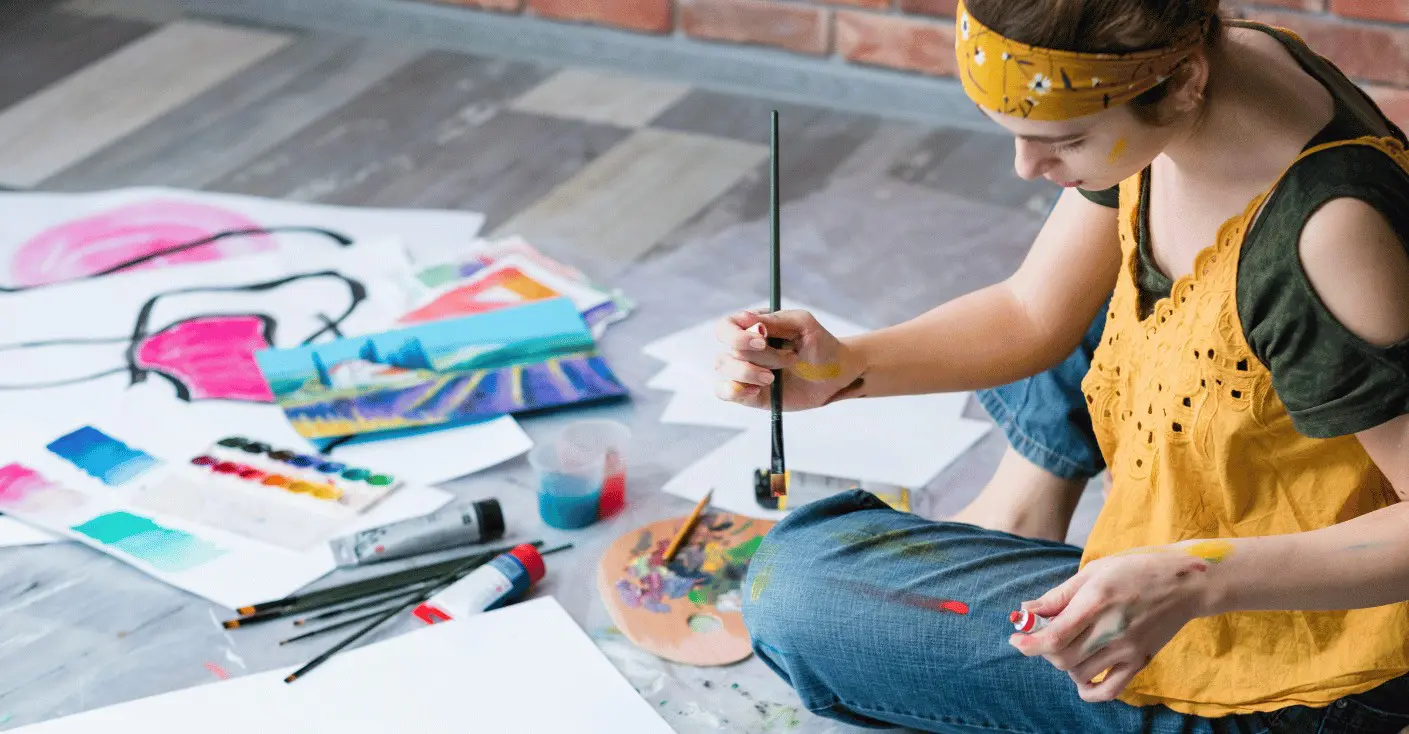
Have you ever considered how a splash of colour or the gentle flow of a brushstroke can unlock emotions? Art therapy, a growing field within psychotherapy, offers a refreshing perspective that can be incredibly beneficial for many individuals seeking a deeper connection to their feelings. Blending creativity with traditional therapeutic methods, this approach opens new doors for self-expression.
The Essence of Art Therapy
At its core, art therapy isn’t just about creating pretty pictures. Rather, it’s a powerful medium that allows people to communicate emotions that may be difficult to express through words alone. A simple drawing can tell a story that might not be easily articulated, offering insights into one’s inner world. And let’s be honest, who hasn’t felt a little more at ease while doodling during a meeting or sketching in a café?
Why Combine Art with Traditional Psychotherapy?
Imagine sitting in a therapist’s office, engaging in standard talk therapy. While talking can certainly be effective, it may not resonate with everyone. Some folks connect with their feelings more vividly through artistic means. Integration of art therapy with traditional methods can create a unique space where clients not only share but also visualise their experiences. It taps into the subconscious—those hidden thoughts and feelings that words sometimes struggle to capture.
Benefits That Resonates
What makes art therapy so special? Firstly, it’s about accessibility. Not everyone feels they can put their feelings into words. For some, the idea of sitting in front of a blank page may spark anxiety. With art therapy, clients aren’t limited to language—but rather can draw, paint, or create as the canvas beckons. A splash of colour might serve as a better outlet for emotions than a lengthy description.
Creativity, in itself, has been shown to be therapeutic. It promotes relaxation and reduces stress, much like gardening or cooking does for some. Even better? People often report a sense of achievement and satisfaction after creating something, whether it’s a small doodle or a finished painting.
Getting Hands-On: A Session in Art Therapy
So, what might a typical session look like? Picture a comfy room, maybe some soothing music in the background. The therapist might introduce various art supplies—paints, pastels, or even collage materials. Clients can choose what feels right for them. Imagine slowly getting lost in creation, the colours swirling, and the mind wandering freely as emotions pour out onto the canvas.
During these sessions, therapists can observe clients’ creations and the processes behind them. For instance, someone might choose dark colours when expressing sadness or lighter tones when depicting joy. Those visual choices can be wonderfully telling. Plus, discussing the artwork can facilitate conversation about feelings, experiences, and challenges in a more relaxed manner.
Bridging Cultural Perspectives
In Australia, where diverse cultures and backgrounds intertwine, integrating cultural art forms in therapy can be particularly meaningful. Aboriginal and Torres Strait Islander art, for instance, contains deep stories and connections to land and family—elements that can be beautifully woven into therapeutic practices. Celebrating cultural narratives through art can lead to richer insights and foster a sense of identity.
Art Therapy in Action
So, how does one find a therapist who provides psychotherapy with an artistic twist? Many mental health professionals are increasingly trained in art therapy methods. Whether through workshops or formal degrees, there’s a broadening understanding of how these two practices can coexist. It’s worth doing a bit of research, perhaps by visiting local art therapy groups or checking online platforms that offer connecting services.
Challenges and Considerations
Yet, art therapy isn’t without its challenges. Some folks may feel self-conscious about their artistic skills—afraid their stick figures won’t be well received. It’s essential to remember that art therapy is about the process, not the product. Throw away perfectionism at the door! Everyone’s creation is unique and valuable. The purpose here is exploration, not assessment.
It’s also vital to find a qualified therapist who can skillfully blend traditional therapy approaches with artistic exploration. An experienced professional understands when to use art as a tool for self-discovery and when to shift back to more conventional therapy techniques.
Looking Ahead
As mental health awareness continues to gain traction, the role of art therapy is bound to expand. People are recognising the importance of holistic approaches that honour mind, body, and spirit. It’s thrilling to think that we might see even more creative solutions to mental health challenges. The future seems bright for those who find freedom in creative expression.
Final Thoughts
In a world where talking about our feelings is sometimes still taboo, art therapy can serve as a gentle entry point for self-exploration. Whether through the simple act of doodling or creating intricate works of art, the therapeutic process can profoundly impact well-being. So, the next time you think about feelings that are hard to express, grab some crayons, paints, or even clay—let your inner artist take the lead. You might just discover a whole new side of yourself.

