

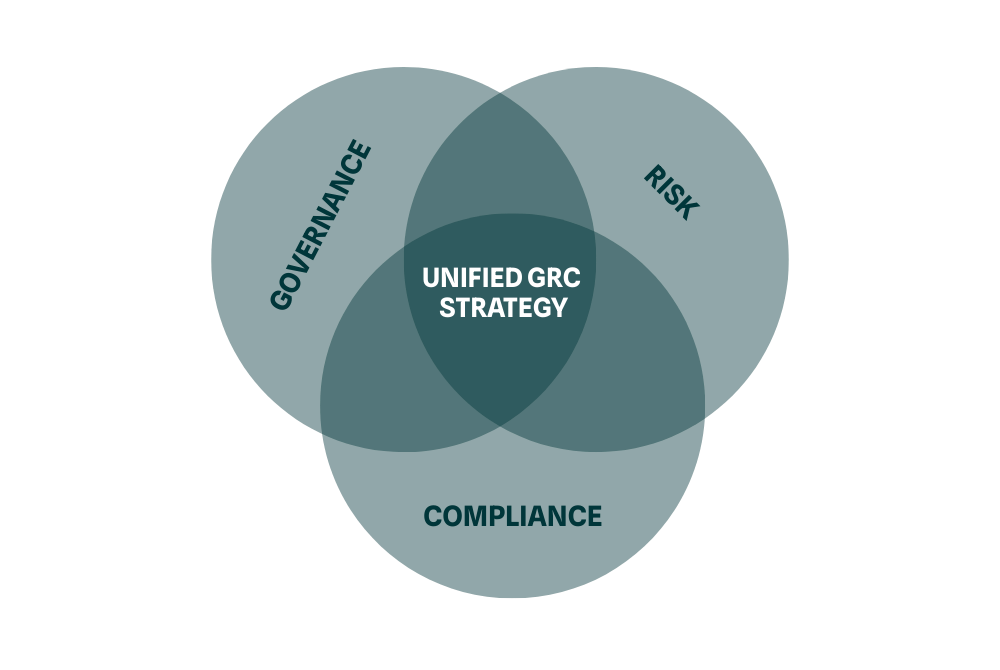
Complying with regulations and industry standards is a critical aspect of preserving the integrity and reputation of any enterprise. In the complex and ever-evolving landscape of enterprise resource planning (ERP), ensuring SAP compliance remains a priority for organisations worldwide. This encompasses not merely following legal requirements but also aligning with best practices for a robust business architecture.
Understanding SAP Compliance
SAP compliance is the process of adhering to guidelines, laws, and regulations relevant to SAP software usage. These stipulations manage data protection, financial transactions, international trade, personal data privacy, and more. For businesses relying on SAP, non-compliance could result in significant penalties, tarnished brand image, and operational disruptions.
The Value of a Compliance Manager
One key strategy for effective management of SAP compliance is the appointment of a dedicated compliance manager. This individual is responsible for understanding the full spectrum of applicable regulations, ensuring internal processes meet these requirements, and documenting compliance efforts. Their role is centred around risk management and mitigation, making their contribution invaluable for businesses navigating complex regulatory environments.
Risk Assessment – The First Step to Compliance
An initial and crucial phase in SAP compliance is performing a comprehensive risk assessment. This helps to identify and evaluate potential compliance risks within SAP systems. By understanding where vulnerabilities lie, businesses can prioritise their efforts and allocate resources more effectively.
Maintaining up-to-date knowledge of changes in both the regulatory landscape and SAP’s own software updates is also essential. This proactive approach ensures that businesses can anticipate and adapt to new requirements in a timely manner.
Design a Comprehensive Compliance Framework
Successful SAP compliance management involves creating a framework that integrates seamlessly with existing business processes. A compliance framework should detail policies, control mechanisms, and procedures, providing clarity and direction for every team member interacting with SAP systems. Creating such a framework is often an interdisciplinary task, combining legal, technical, and operational expertise.
Continuous Monitoring and Training
Continuous monitoring is another cornerstone of effective SAP compliance. Regular audits and reviews of SAP system usage help identify non-compliance early, preventing potential compliance breaches before they can escalate. Furthermore, investing in ongoing training ensures that staff remain aware of compliance requirements and the role they play in maintaining them.
Implement Adequate Security Measures
At the heart of SAP compliance lies the need for robust security measures. This includes access controls to ensure that sensitive information is only available to authorised users, data encryption to protect information both in transit and at rest, and regular back-ups to prevent data loss. With cyber threats on the rise, security is not only about compliance but also about protecting the enterprise from malicious actors.
Utilise Compliance Automation Tools
Automation has become an ally in the pursuit of SAP compliance. By employing automated tools, businesses can reduce human error, streamline compliance-related tasks, and maintain a consistent approach to data management. Such tools can generate real-time reports, track changes, and manage user permissions with efficiency and accuracy, thereby supporting ongoing compliance.
Investing in the right software and solutions can significantly alleviate the complexity of compliance management. As compliance requirements evolve, the ability to quickly adapt with minimal disruption is a significant advantage for any SAP-using business.
Engaging with Expert Partners
Aligning with knowledgeable consultants or external partners experienced in SAP compliance can greatly facilitate the management process. These experts bring specialized skills and insights that can optimise compliance measures and educate internal teams. They can also help navigate the specific challenges associated with different industry standards and legal jurisdictions.
The Importance of An Active Compliance Culture
A comprehensive strategy for managing SAP compliance should also cultivate a proactive compliance culture within the organisation. Compliance should not be seen as an afterthought or a box-ticking exercise, but as an integral part of the business ethos. This mindset starts at the top, with leadership exemplifying and promoting the importance of compliance at all levels of the enterprise.
Regularly Update Compliance Policies and Training
An effective SAP compliance strategy must be dynamic, allowing for regular updates to policies and training programs in response to new regulations and evolving best practices. This flexibility demonstrates an organization’s commitment to due diligence and ensures that their compliance efforts remain current and effective.
In conclusion, navigating SAP compliance requires a multi-faceted approach, involving risk assessment, a solid compliance framework, continuous monitoring, strong security measures, and the implementation of automated tools. By fostering a culture of compliance, engaging with expert partners, and investing in continuous improvement, businesses can effectively manage the complexities of SAP compliance.
With regulatory landscapes becoming increasingly stringent, the importance of SAP compliance cannot be understated. It is an indispensable part of ensuring that businesses can operate without the looming threat of legal repercussions or reputational damage. By prioritising compliance management, companies protect not only their data and systems but their stakeholders and the trust they have earned over time.

