

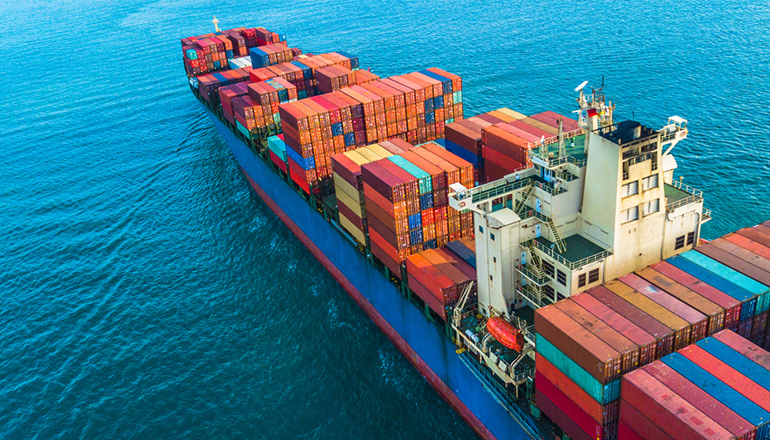
The modern global economy relies heavily on efficient and cost-effective transportation of goods, and sea freight remains at the heart of this complex system. With international trade expanding rapidly, businesses continue to rely on maritime shipping to move large quantities of products across vast distances. But what makes sea freight so indispensable in the world of logistics?
Understanding Sea Freight
Sea freight, also referred to as ocean freight, is the process of transporting goods via large cargo ships across international waters. It remains one of the most efficient and economical ways to move bulk shipments. Unlike air transport, which is often reserved for urgent and high-value goods, sea freight prioritizes affordability and volume capacity.
Key Advantages of Sea Freight
- Cost Efficiency: Shipping by sea is significantly cheaper than air freight, making it the go-to choice for businesses that need to move large volumes.
- High Capacity: Cargo ships can accommodate massive shipments, including oversized machinery, raw materials, and bulk goods.
- Versatility: With various shipping options like Full Container Load (FCL) and Less than Container Load (LCL), businesses can choose solutions that fit their needs.
- Environmental Impact: Although shipping isn’t emission-free, it produces lower carbon footprints per ton of cargo compared to air transport.
Challenges in the Sea Freight Industry
While sea freight remains vital, it faces challenges that businesses must navigate:
- Longer Transit Times: Unlike air freight, which delivers goods within days, sea freight can take weeks depending on the distance and port congestion.
- Regulatory Compliance: International shipping requires adherence to customs laws, trade agreements, and safety regulations, which can slow down processing times.
- Unpredictable Delays: Weather conditions, geopolitical issues, and port congestion can create unexpected delays in shipment schedules.
The Role of Technology in Sea Freight
Recent advancements are revolutionizing the sea freight industry. Some notable innovations include:
- Smart Tracking Systems: Real-time GPS and IoT technology help monitor cargo movements and improve efficiency.
- Automation in Ports: AI-driven port operations enhance loading and unloading efficiency, reducing delays.
- Blockchain for Transparency: Secure digital ledgers ensure smoother documentation processes and fraud prevention.
How Businesses Can Optimize Sea Freight Operations
To make the most of ocean freight, businesses must adopt best practices for logistics management:
- Plan Ahead: Factoring in longer transit times ensures proper inventory planning.
- Leverage Digital Solutions: Using freight management software enhances visibility and improves supply chain coordination.
- Partner with Reliable Freight Providers: Collaborating with trusted shipping partners reduces risks and ensures smoother operations.
For large-scale or cross-country residential moves, many Furniture Shipping Companies adopt similar freight strategies to ensure affordable, secure, and efficient delivery.
Looking Ahead: The Future of Sea Freight
As global trade evolves, sea freight will continue to play a significant role in logistics. Trends to watch include:
- Sustainable Shipping Practices: The industry is shifting towards greener fuels and eco-friendly vessels.
- Greater Intermodal Connectivity: Seamless integration between sea, rail, and road transport will improve efficiency.
- Increased Digitalization: AI, big data, and automation will further streamline logistics operations.
Final Thoughts
Despite its challenges, sea freight remains an essential component of global trade. With advancements in technology and a push for sustainability, ocean freight is poised to become even more efficient and eco-friendly. Businesses that stay ahead of these trends will continue to benefit from the affordability and reliability of maritime shipping.

