

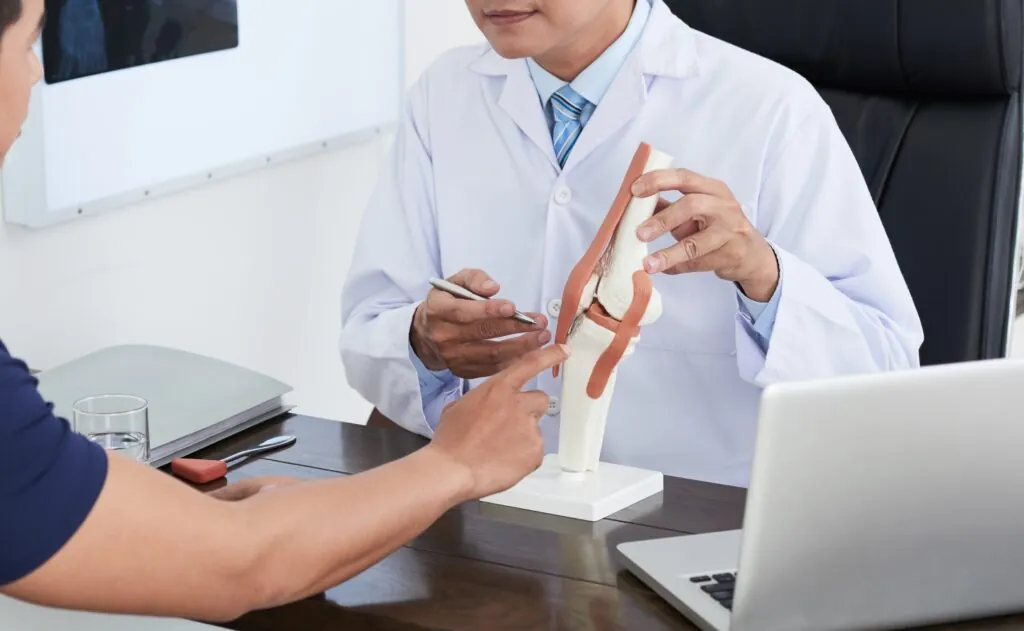
Many adults in Singapore experience joint pain that affects their mobility, independence, and overall quality of life. Everyday activities like climbing stairs, walking, or even standing for long periods can become challenging and uncomfortable. For those with severe joint degeneration or chronic conditions, joint replacement surgery can offer lasting relief and improved function.
If you’re exploring your options, consulting an orthopaedic clinic in Singapore can help you understand the best solutions for your needs. In this article, we’ll guide you through the different types of joint replacement, the procedures involved, and important considerations, with insights from leading orthopaedic Singapore specialists.
When Is Joint Replacement Needed?
Joint replacement is typically considered when conservative treatments—such as medication, physical therapy, or lifestyle modifications, no longer provide sufficient relief from joint pain or functional limitations. Common indications include advanced osteoarthritis, rheumatoid arthritis, traumatic injuries, or severe joint degeneration.
Patients often report persistent pain even at rest, swelling, stiffness, or difficulty performing everyday tasks such as walking, climbing stairs, or bending. In some cases, deformities like bowed knees or hip misalignment may also signal the need for surgical intervention.
Early consultation with an orthopaedic Singapore specialist is crucial, as timely assessment can help preserve joint function and prevent further deterioration. Specialists can evaluate the severity of joint damage through physical examinations, imaging studies like X-rays or MRIs, and patient history.
Types of Joint Replacement Surgeries
When joint pain becomes severe and conservative treatments are no longer effective, joint replacement surgery may be recommended. Understanding the types of procedures available can help patients make informed decisions in consultation with an orthopaedic Singapore specialist.
1. Total Joint Replacement (TJR)
Total joint replacement involves removing the damaged joint surfaces and replacing them with artificial implants made of metal, ceramic, or high-grade plastic. This procedure is commonly performed on knees, hips, and shoulders and is ideal for patients with extensive joint damage. TJR can provide significant pain relief, restore mobility, and improve overall quality of life.
2. Partial or Unicompartmental Joint Replacement
In cases where only a portion of the joint is affected, partial replacement may be sufficient. For example, a unicompartmental knee replacement targets only the damaged compartment of the knee, leaving healthy bone and cartilage intact. This approach preserves more of the patient’s natural joint structure and often allows for faster recovery.
3. Revision Joint Replacement
Revision surgery is performed when a previous joint replacement fails or wears out over time. The procedure involves replacing the old implant with a new one, which may be more complex than the initial surgery. Revision replacements are less common but essential for maintaining long-term joint function in patients who have already undergone joint replacement.
Common joints replaced:
- Knee – Total or partial replacement depending on the extent of damage.
- Hip – Total hip replacement or hip resurfacing for advanced arthritis or injury.
- Shoulder – Total shoulder or reverse shoulder replacement to restore mobility.
- Occasionally, elbow or ankle replacements may be performed for severe cases.
Understanding these options helps patients set realistic expectations and facilitates a productive discussion with an orthopaedic clinic in Singapore about the most suitable procedure for their condition.
Knee Joint Replacement
Knee joint replacement is one of the most common procedures in orthopaedic clinics in Singapore, usually recommended for severe arthritis or injury. There are two main types: total knee replacement, which resurfaces the entire joint, and partial (unicompartmental) replacement, which only targets the damaged section. Total replacement is suited for widespread joint damage, while partial replacement preserves healthy bone and often allows for quicker recovery.
Advances such as minimally invasive and robotic-assisted surgery have improved precision, reduced recovery time, and enhanced long-term outcomes. Discussing your age, activity level, and overall health with an orthopaedic Singapore specialist can help determine the best approach for your knee.
Hip and Shoulder Joint Replacement
Hip and shoulder replacements are effective solutions for patients with severe joint pain or mobility issues. Hip replacement can be total, replacing both the ball and socket, or hip resurfacing, which preserves more of the natural bone. Shoulder replacement may involve a standard total shoulder procedure or a reverse shoulder replacement, depending on the extent of damage.
These surgeries help relieve pain, restore movement, and improve daily function. Modern techniques in Singapore, including minimally invasive and robotic-assisted procedures, enhance precision and speed up recovery.
Recovery and Rehabilitation
Recovery after joint replacement varies depending on the joint involved and the type of surgery. Most patients begin gentle movement and physiotherapy within a day or two to maintain joint flexibility and build strength. A structured rehabilitation program helps restore mobility, improve balance, and prevent stiffness.
Factors such as age, overall health, and adherence to post-operative instructions can influence recovery time. Regular follow-ups with an orthopaedic Singapore specialist allow the surgical team to monitor healing, adjust exercises, and address any complications early, ensuring the best possible outcome for the patient.
Risks and Considerations
Like any surgery, joint replacement carries some risks. Potential complications include infection, blood clots, implant loosening, or wear over time. While serious issues are uncommon, it’s important for patients to understand the possible outcomes and discuss them with their surgeon.
Individual factors such as age, overall health, and activity level play a role in determining both risk and recovery. An orthopaedic Singapore specialist can carefully evaluate these factors and recommend the most suitable type of joint replacement, helping patients make informed decisions and set realistic expectations for their treatment.
Conclusion
Joint replacement can significantly improve mobility, reduce pain, and enhance quality of life for patients with severe joint problems. Understanding the types of procedures, recovery process, and potential risks helps you make informed decisions about your care. For personalized guidance and a thorough assessment, consider visiting our clinic at:

