

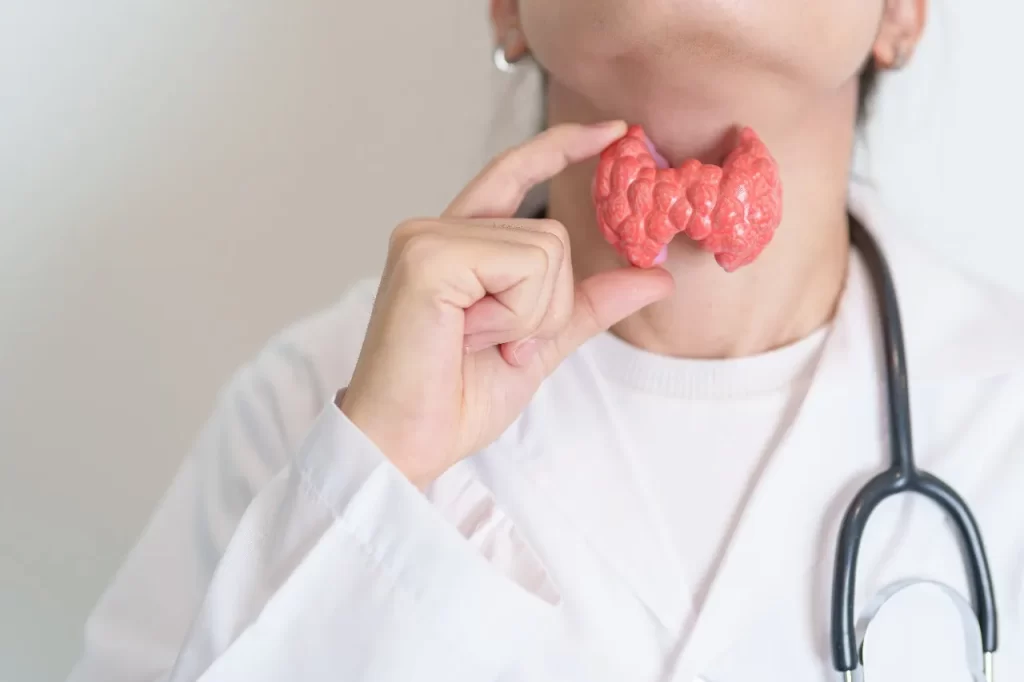
Thyroid disorders are commonly managed by a thyroid specialist Singapore patients are referred to when symptoms persist, test results are unclear, or structural abnormalities are detected. Despite being relatively common, thyroid conditions are often misunderstood or misdiagnosed because their symptoms can mimic many other medical issues.
An accurate diagnosis is therefore essential, as it forms the foundation for effective and personalised treatment, whether the condition involves hormone imbalance, thyroid nodules, or more complex disease. This article explains how a thyroid specialist approaches diagnosis in a systematic and thorough way, guiding patients through each step of the process, from initial assessment to advanced testing, so they can better understand what to expect. You may also read more about thyroid nodules here https://nctansurgery.sg/surgical-treatment-for-thyroid-nodules-when-is-it-necessary/.
Understanding Symptoms and Medical History
The diagnostic process begins with a detailed discussion of symptoms and medical history, as these provide important clues about underlying thyroid conditions. A thyroid specialist Singapore patients consult will ask about symptoms such as persistent fatigue, unexplained weight gain or loss, heat or cold intolerance, palpitations, changes in bowel habits, and mood or sleep disturbances. In addition, patients may be asked about neck discomfort, visible swelling, or voice changes, which can point to structural thyroid issues.
Equally important is a review of personal and family medical history. A history of thyroid disease, autoimmune conditions, prior neck surgery, or radiation exposure can increase the likelihood of thyroid disorders. While symptoms alone are not sufficient for diagnosis, this comprehensive history helps the specialist determine which tests are necessary and ensures that subsequent evaluations are both targeted and accurate.
Physical Examination of the Thyroid and Neck
After reviewing symptoms and medical history, a thyroid specialist Singapore will perform a thorough physical examination of the neck and thyroid gland. During this assessment, the doctor checks for enlargement, asymmetry, nodules, or tenderness in the thyroid. The specialist also evaluates nearby lymph nodes, which can sometimes indicate inflammation or more serious conditions.
In addition to palpation, the specialist may observe the patient’s voice and swallowing patterns, as changes can signal underlying thyroid issues. This hands-on evaluation provides critical information that helps guide further testing, allowing the specialist to focus on areas of concern and tailor the diagnostic process for each patient. Physical examination is therefore a key step in forming a complete and accurate understanding of thyroid health.
Blood Tests and Thyroid Function Testing
Blood tests are a cornerstone of thyroid diagnosis, helping a thyroid specialist Singapore assess how well the thyroid is functioning. Common tests include measuring levels of thyroid-stimulating hormone (TSH), as well as the hormones triiodothyronine (T3) and thyroxine (T4). Abnormal results can indicate an overactive thyroid (hyperthyroidism) or an underactive thyroid (hypothyroidism).
In some cases, additional antibody tests are performed to detect autoimmune thyroid conditions, such as Hashimoto’s thyroiditis or Graves’ disease. While blood tests provide essential information about thyroid function, they do not reveal structural abnormalities. That is why results are always interpreted alongside physical examination and imaging studies to ensure a comprehensive and accurate diagnosis.
Thyroid Ultrasound for Structural Assessment
To evaluate the structure of the thyroid gland, a thyroid specialist Singapore often recommends a thyroid ultrasound. This non-invasive imaging test uses sound waves to create detailed images of the gland, allowing the specialist to detect nodules, cysts, inflammation, or enlargement that may not be obvious during a physical examination.
Ultrasound helps differentiate between functional problems, such as hormone imbalances, and structural abnormalities that may require closer monitoring or further testing. It is safe, painless, and provides real-time information, making it an essential tool in the diagnostic process.
Fine Needle Aspiration (FNA) Biopsy When Needed
In certain cases, a thyroid specialist Singapore may recommend a fine needle aspiration (FNA) biopsy to examine thyroid nodules more closely. This procedure involves using a thin needle to collect a small sample of cells from the thyroid, which is then analysed in a laboratory to determine whether the nodule is benign or malignant.
FNA biopsy is generally quick, minimally invasive, and performed under local anaesthesia, making it a safe option for most patients. While not every nodule requires a biopsy, this step is critical when there are features that raise concern for cancer or other significant thyroid conditions.
Putting All Findings Together for an Accurate Diagnosis
A comprehensive diagnosis is made by combining information from symptoms, medical history, physical examination, blood tests, imaging, and, when necessary, biopsy results. A thyroid specialist Singapore carefully interprets all these findings to distinguish between functional disorders, benign nodules, and more serious conditions such as thyroid cancer.
This integrated approach ensures that no aspect of a patient’s thyroid health is overlooked. By considering each piece of evidence in context, the specialist can provide an accurate and personalised diagnosis, which forms the foundation for an appropriate treatment plan. This thorough evaluation also helps patients understand their condition clearly and sets the stage for monitoring and long-term management.
Summary
For patients experiencing thyroid-related symptoms or who have been advised to undergo further evaluation, consulting a thyroid specialist Singapore can provide clarity and guidance. Early assessment helps ensure accurate diagnosis and timely treatment, improving long-term health outcomes. To schedule a consultation or learn more, you can contact our clinic, at:

