

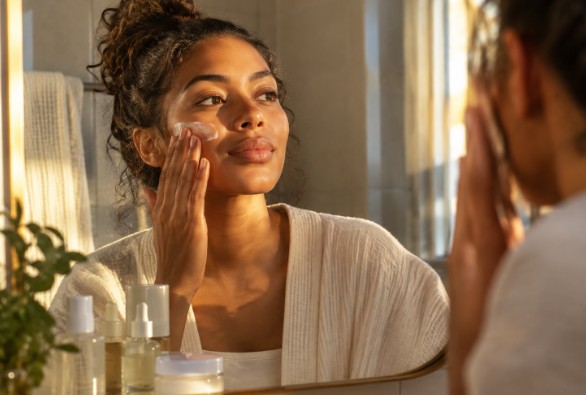
Good skin care is not about chasing a complicated routine or copying someone else’s shelf of products. It is about learning what your skin needs, consistently using gentle habits, and adjusting your approach when concerns such as acne, dryness, sensitivity, or uneven skin tone arise. People interested in aesthetic skin and body treatments can still benefit from a steady at-home routine that supports skin before and after any professional care.
Skin tone deserves consideration because inflammation, redness, discoloration, and sun exposure can appear differently from person to person. At the same time, skin tone is not the same as skin type. Tone relates to pigment, while skin type describes tendencies such as dryness, oiliness, sensitivity, or a combination of these concerns. A person can have deep skin tone and dry skin, light skin tone and oily skin, or any other combination. Recognizing that distinction helps prevent product choices based only on appearance rather than on how the skin actually behaves.
Why Skin Tone Matters
Many people with medium to deep skin tones develop darker marks after acne, shaving bumps, rashes, or other irritation. These marks are often called post-inflammatory hyperpigmentation. On lighter skin, the same inflammation may look pink or red instead. The American Academy of Dermatology notes that acne can leave dark spots or patches in darker skin tones, which is one reason treating breakouts early and gently matters.
Inflammation can also be less obvious in some complexions. Skin may feel warm, itchy, tender, or bumpy before a noticeable color change appears. Paying attention to these early signs can make it easier to scale back irritating products before they lead to a more stubborn mark or flare-up.
Inclusive care also means avoiding assumptions. “Skin of color” encompasses a broad range of complexions and backgrounds, not a single skin type or set of concerns. Your own history of breakouts, irritation, pigmentation, allergies, and product tolerance is more useful than a one-size-fits-all routine.
Some concerns need more than over-the-counter products. For people considering facial rejuvenation surgery, a consultation should include an honest conversation about skin tone, healing expectations, the risk of scarring, downtime, and the aftercare needed to protect the skin.
Start With the Basics
First, identify the concern you actually want to address. It may be dryness, clogged pores, persistent acne, dark marks, fine lines, rough texture, or burning after cleansing. Consider whether the issue is new, worsening, seasonal, or connected to a product you recently started using. Remove products that repeatedly sting, peel, trigger breakouts, or leave your skin feeling tight.
It can help to prioritize one or two concerns rather than trying to correct everything at once. For example, someone dealing with active breakouts and dark marks may get better results by controlling irritation and breakouts first, then gradually adding a product intended for discoloration. This approach reduces the temptation to layer many strong products together.
If you have a history of eczema, allergies, or very reactive skin, choose fragrance-free formulas when possible and introduce products with extra care. Keeping a brief note of when symptoms began can also help identify patterns involving weather, stress, shaving, or product use.
Add only one new product at a time. This makes it easier to tell what is helping and what is causing a reaction. Clear photos taken in similar lighting every few weeks can be more useful than judging changes day by day. Try to avoid changing your cleanser, moisturizer, treatment, and sunscreen all in the same week, since that makes it difficult to identify the source of any improvement or irritation.
Build a Simple Daily Routine
Morning
- Cleanse with a mild cleanser, or rinse with lukewarm water if your skin is very dry.
- Apply a moisturizer suited to your comfort level and skin type.
- Finish with broad-spectrum sunscreen.
Evening
- Remove makeup, sunscreen, and daily buildup.
- Cleanse without scrubbing, rubbing, or using very hot water.
- Apply one targeted treatment if needed.
- Use moisturizer to support comfort overnight.
A shorter routine is often easier to follow and easier to troubleshoot. A cleanser, moisturizer, sunscreen, and one carefully chosen treatment can be enough for many people. Consistency matters more than constantly switching products.
Application order does not have to be overly complicated. In general, apply treatment products as directed, then use moisturizer to help reduce dryness and improve comfort. If a treatment is difficult to tolerate, using it less often or applying moisturizer before or after it may be gentler for some people. Follow the instructions provided with prescription products and ask a clinician or pharmacist if the directions are unclear.
Use Sun Protection Consistently
Every skin tone benefits from sun protection. Sun exposure can contribute to visible signs of aging, uneven pigmentation, and an increased risk of skin cancer. Choose a broad-spectrum sunscreen with an SPF of at least 30 that feels comfortable enough to wear daily. A tinted formula may be especially useful for people concerned about visible light contributing to dark spots, and it can help avoid a noticeable white cast.
For best coverage, apply sunscreen to commonly missed areas such as the ears, neck, hairline, and the backs of the hands when they are exposed. Makeup with SPF can be helpful, but it should not be assumed to replace a separate sunscreen unless enough is applied to provide the labeled protection.
Reapply when spending extended time outdoors, sweating, or swimming, according to the product directions. Hats, shade, and protective clothing add another layer of protection. The American Academy of Dermatology recommends sunscreen for all skin tones and notes that visible light can worsen hyperpigmentation, particularly in darker skin tones. See its guidance on sun protection for darker skin tones for practical tips on selecting products.
Approach Dark Spots Gently
Dark marks can follow acne, cuts, burns, ingrown hairs, eczema, and harsh skin care. Picking at blemishes or aggressively scrubbing the area can create more inflammation and make discoloration last longer. Focus first on preventing the trigger, such as untreated acne or shaving irritation.
When shaving bumps are a recurring problem, avoid shaving too closely or repeatedly passing over the same area. A clean, sharp razor and a lubricating shaving product may help reduce friction. If bumps, pus-filled lesions, pain, or scarring continue, professional evaluation is appropriate.
Ingredients often used to address uneven skin tone include niacinamide, azelaic acid, vitamin C, and retinoids. Introduce one active product slowly and reduce use if burning or persistent irritation develops. Improvement can take weeks or months, so avoid quick-fix promises. Seek medical advice for melasma, spreading patches, rapidly changing spots, or discoloration that does not improve.
Protect Your Skin Barrier
Your skin barrier is the outer layer that helps hold in moisture and defend against irritants. When it is stressed, skin may feel dry, sting easily, look flaky, or react to products that were once tolerable. Gentle cleansing, warm rather than hot showers, and moisturizer applied soon after washing can help support it.
Moisturizers may contain ingredients that attract water, soften rough skin, or form a protective layer that limits moisture loss. The best option is usually the one you can use regularly without discomfort. Creams and ointments may feel more supportive for very dry skin, while lotions or gel-cream products may feel more comfortable for people who prefer a lighter texture.
Do not combine several strong exfoliants, scrubs, retinoids, and acne treatments without a clear plan. If your skin feels raw, unusually tight, or sore, simplify your routine and pause irritating active products until it feels comfortable again.
Use Active Ingredients Carefully
- Retinoids: Begin with a small amount on fewer nights per week.
- Exfoliating acids: Avoid stacking multiple acid products before you know your tolerance.
- Fragrance and essential oils: Skip them if your skin is easily irritated.
- Skin-lightening products: Avoid products with unclear labels or unverified claims.
Retinoids and exfoliating acids can make skin feel dry or sensitive, particularly when first introduced. Using more product than directed does not necessarily improve results and may instead increase irritation. Be especially cautious about adding active ingredients after a peel, waxing session, sunburn, or other event that has already left the skin vulnerable.
Patch test a new product on a small, discreet area, wait at least 24 hours, and watch for itching, swelling, rash, or burning. The FDA warns that some skin-lightening products may contain harmful ingredients, including mercury, and advises consumers to check labels carefully when considering skin-lightening products containing hydroquinone or mercury.
Know When Professional Care Helps
See a dermatologist or other licensed medical professional for painful or persistent acne, spreading dark patches, scars, sudden changes in skin or hair, severe itching, swelling, or a significant reaction. Ask any provider about their experience treating a wide range of skin tones, as well as the risks, expected results, healing time, and aftercare for peels, lasers, microneedling, or prescription treatments.
Bring a list or photos of the products you use, including hair products and supplements that may come into contact with the face or scalp. That information can help a provider recognize potential irritants and recommend a plan that is practical for your schedule, budget, and skin goals. Do not try to treat a severe reaction at home if you experience facial swelling, blistering, trouble breathing, or rapidly worsening symptoms.
Common Questions
Does every skin tone need sunscreen?
Yes. Daily sun protection can help limit sun-related damage and reduce the worsening of dark marks.
Can natural products still irritate skin?
Yes. Plant extracts, fragrance oils, and other natural ingredients can still cause irritation or allergy.
How long should a routine take to work?
Hydration may improve quickly, but acne, uneven tone, and texture generally require steady care over several weeks or longer. Give a gentle routine enough time to show a pattern unless you are experiencing irritation or another negative reaction.
A Routine That Works in Real Life
Effective skin care does not need to be complicated. Start with a gentle cleanser, a suitable moisturizer, daily sun protection, and one targeted product when needed. Respect your skin’s tone, type, concerns, and tolerance. Steady habits, careful product choices, and qualified guidance when problems persist can support healthier, more resilient skin over time.
The most sustainable routine is one that fits into ordinary mornings and evenings. Keep products where you will use them, replace items before they run out when possible, and make adjustments gradually instead of reacting to every small day-to-day change. Patience and consistency are often more valuable than a crowded shelf of products.

