

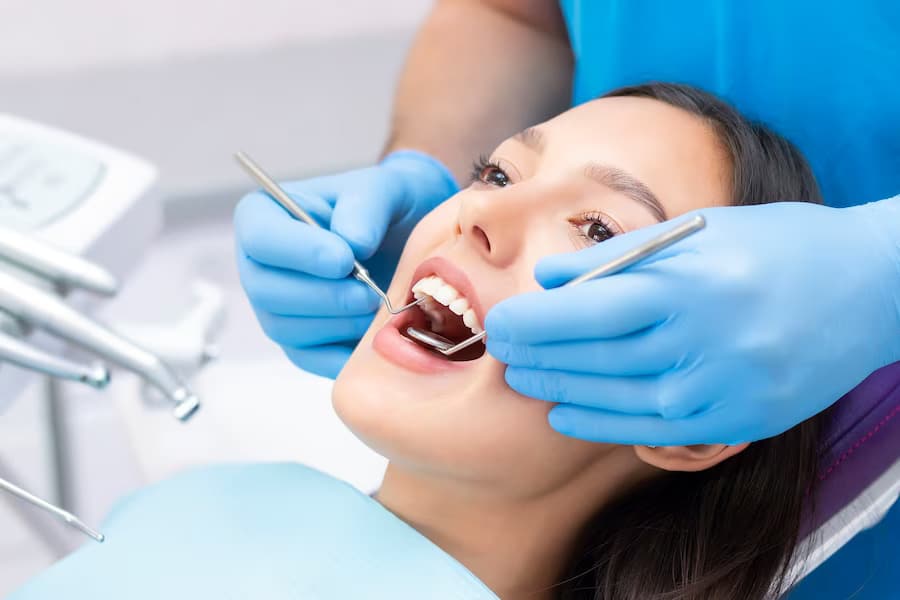
Most people think about dental health in terms of cavities, clean teeth, and fresh breath. But oral health connects to overall wellbeing in ways that go far deeper than a bright smile. From the quality of your sleep to how energized you feel each day, the state of your mouth has a real and measurable impact on your body. Understanding this connection can motivate you to take dental care more seriously and help you recognize when oral issues might be behind unexplained health concerns.
The Mouth-Body Connection You Might Be Overlooking
Your mouth is the entry point to your entire body, which means what happens there does not stay there. Bacteria from untreated gum disease or tooth decay can enter the bloodstream and trigger inflammation throughout the body. This systemic inflammation has been linked to serious conditions including heart disease, diabetes, and respiratory issues. Researchers continue to uncover new evidence that poor oral health is not simply a local problem but a whole-body concern. Taking care of your teeth and gums remains one of the most accessible ways to protect your long-term health.
How Dental Problems Drain Your Energy
Chronic oral infections and gum disease force your immune system to work overtime. When your body is constantly fighting off bacteria in the mouth, it burns through energy that would otherwise support your daily functioning. Many people with untreated dental issues report persistent fatigue without being able to pinpoint a clear cause. Pain from toothaches or inflamed gums also disrupts your ability to eat well, which can lead to nutritional deficiencies that compound tiredness over time. If you have been feeling unusually run-down lately, scheduling a dental checkup might be a worthwhile first step.
Sleep Disruption and Oral Health
Dental problems are a surprisingly common culprit behind poor sleep. Tooth pain, jaw tension, and conditions like bruxism (teeth grinding) can make it difficult to fall asleep or stay asleep through the night. Sleep apnea, a serious disorder affecting millions of people, is also closely tied to oral structure and jaw alignment. Dentists are often the first to identify signs of sleep apnea based on wear patterns on the teeth and other oral indicators. Addressing these concerns can lead to meaningful improvements in sleep quality and, by extension, your overall energy and mood.
Missing Teeth and the Ripple Effect on Wellness
When a tooth is lost and not replaced, the consequences extend well beyond appearance. Surrounding teeth can shift, bite alignment can change, and jawbone density often decreases over time due to lack of stimulation. These changes affect how you chew, which in turn influences what foods you can comfortably eat. A diet limited by dental discomfort tends to be lower in the fruits, vegetables, and proteins that support energy and immune function. For patients dealing with tooth loss, dental implants in Fort Worth offer a long-term solution that restores function and supports jawbone health to help maintain overall wellness.
Gum Disease and Inflammation
Gum disease is one of the most widespread and underestimated health conditions in the United States. In its early stages, it may cause only mild symptoms like bleeding gums or slight sensitivity, which many people dismiss as perfectly normal. Left untreated, it progresses into a chronic source of inflammation that the entire body must contend with. Studies have linked periodontal disease to increased risk of cardiovascular disease, cognitive decline, and complications in managing diabetes. Treating gum disease is not just about saving your teeth; it is about reducing a significant burden on your body’s overall health systems.
Conclusion
The relationship between dental health and overall wellness is more powerful than most people realize. Your mouth influences your sleep, your energy levels, your nutrition, and even your risk for serious systemic conditions. Rather than treating dental care as a concern separate from general health, it makes far more sense to view it as a foundational piece of your wellbeing. Regular dental visits, prompt treatment of issues, and addressing problems like gum disease or tooth loss can make a noticeable difference in how you feel day to day. Investing in your oral health is, quite simply, investing in your quality of life.

