

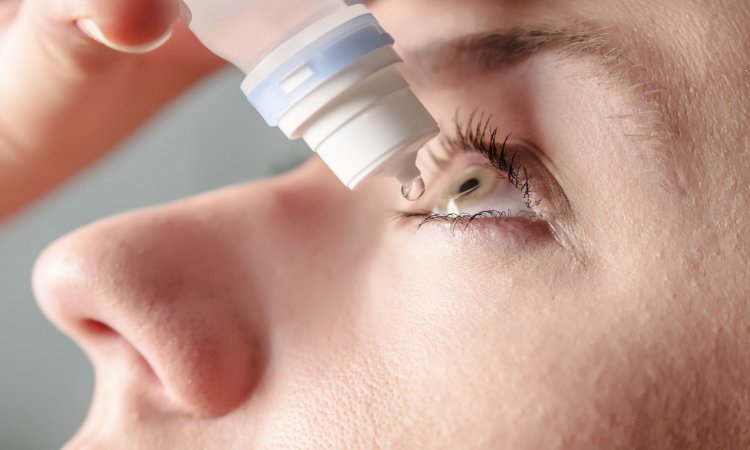
If your eyes constantly feel scratchy, irritated, or tired, especially by the end of the day, you’re not alone and you definitely need a dry eyes treatment.
Dry eyes are more common than people think, and they’re not just caused by staring at screens. There are layers to this condition, and the reasons behind it can vary from person to person.
Some people wake up with dry, blurry vision. Others feel discomfort after long meetings or driving at night. It’s easy to brush it off as tiredness or “just needing sleep,” but dry eyes can signal an imbalance in how your eyes produce and hold moisture.
What Really Causes Dry Eyes?
Your eyes need a healthy tear film to stay comfortable and clear. This tear film isn’t just water, it’s made up of oil, water, and mucus. Each layer plays a role, and when one part doesn’t work right, that’s when dryness creeps in.
One of the most common causes? Meibomian gland dysfunction. These are tiny oil glands in your eyelids. If they’re blocked or not working properly, your tears evaporate too quickly. That’s where many people start to feel that burning or gritty sensation.
Age is another factor. As we get older, tear production naturally slows down. Women going through hormonal changes: menopause, for instance, often report dry eyes too. Other triggers include:
- Long-term use of contact lenses
- Side effects from medications like antihistamines or antidepressants
- Autoimmune conditions like Sjögren’s syndrome or rheumatoid arthritis
- Excessive screen time, which makes us blink less
Even environmental factors like dry air from air conditioning, or wind blowing into your eyes, can make things worse.
What Are Your Treatment Options?
When it comes to dry eye treatment, the right approach depends on what’s causing the issue. It’s not always one-size-fits-all.
1. Artificial tears
These over-the-counter eye drops help if you have mild symptoms. They add moisture and can give relief for a few hours. Some are watery, while others are thicker for overnight use. It may take a few tries to find one that suits you.
2. Warm compresses and lid hygiene
If blocked oil glands are the problem, applying a warm cloth to your eyelids can help. Doing this daily softens the oil in the glands and makes it easier for them to work normally. Cleaning the eyelid margins with a gentle cleanser can prevent buildup, too.
3. Prescription drops
In more serious cases, doctors may prescribe anti-inflammatory drops or drugs that help you make more of your own natural tears. These are useful when dry eyes are tied to inflammation or immune system issues.
4. Punctal plugs
These are tiny inserts placed into your tear ducts to stop moisture from draining away too quickly. They’re removable, and can be a big help for people who don’t respond well to drops.
5. Lifestyle changes
Sometimes, simple habits can make a difference. Take regular breaks from screens. Use a humidifier if the air in your home or office feels dry. And remember to blink fully, many people don’t, especially when focused on work.
A Final Note
Dry eyes are uncomfortable, yes but they’re manageable. The trick is to understand what’s causing it in your case and then choose a treatment that fits.
Get your dry eye treatment done today and feel the difference in the way you see the world.

