

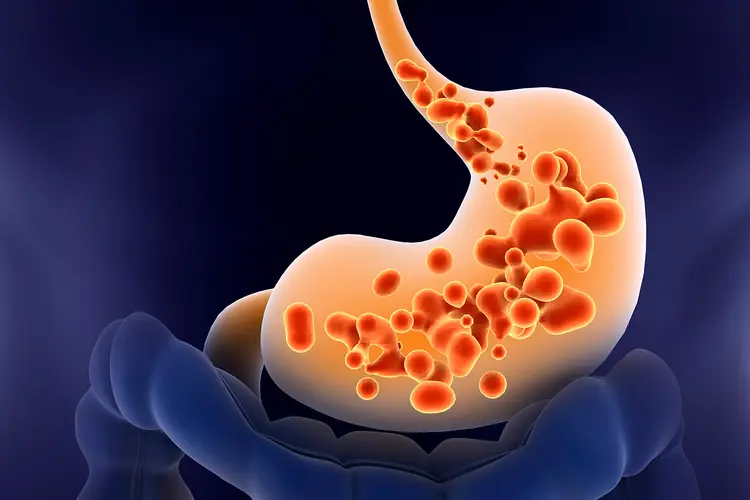
Gastro-oesophageal reflux disease (GERD) happens when acid from your stomach splashes back into your food pipe. The telltale signs of GERD include frequent heartburn, acid regurgitation, chest pain, difficulty swallowing, chronic cough, hoarseness, sore throat, and a lump-in-throat sensation, especially after eating or when lying down.
You should seek the help of a specialist to treat GERD if you get the signs above. Now, GERD occurs when the valve at the bottom of your oesophagus (food pipe) does not close tightly.
Most cases of GERD are caused by lifestyle and body factors with notable contributors being factors like eating large meals, lying down soon after eating or carrying extra weight which can all make your valve weaker. Smoking and drinking alcohol also relax that valve and let acid escape.
Anyone can get GERD, but you are more likely if you are overweight or pregnant. Older adults have increased risk because valve strength can fall with age.
If you have a hernia in your diaphragm (hiatus hernia), acid may slip up more easily. Even children can have reflux, but true GERD is more common in adults.
Can GERD Be Cured Permanently?
Living with GERD can be frustrating. And the worst part is that you do not want to leave GERD untreated because it can cause esophageal damage, strictures, Barrett’s esophagus, and increase your cancer risk among other issues.
Chronic acid exposure may also trigger respiratory issues and ongoing discomfort. With all these in mind, you may hope for a one-time fix that ends GERD for good and wonder; can GERD be cured permanently?
In truth, GERD is a chronic condition for many adults. That means you might need ongoing care rather than a single cure. However, some people find lasting relief by changing habits and taking medication.
Lifestyle changes is basically the first line of defence when it comes to GERD. Losing extra weight eases pressure on your stomach and eating smaller meals more often, and not eating two to three hours before bed, keeps your valve working well.
You will also want to avoid trigger foods and quit smoking to try and cut back on acid reflux. These steps may reduce or even stop your symptoms over time.
Medicines can help too. Antacids neutralise acid on the spot, and can give quick relief. You may also be prescribed H2 blockers to reduce the amount of acid your stomach makes.
Proton pump inhibitors (PPIs) block acid production more fully. Taken as directed, these drugs can calm inflammation and heal damage in your oesophagus.
You may need to stay on them long term to keep symptoms at bay. In some cases, GERD can improve so much that you no longer need medicine.
But if you stop treatment too soon, symptoms often return. That means “cure” may look like a stable balance: you manage your diet and lifestyle and take medication as needed.
Surgery is also an option but usually only considered when medications or lifestyle changes do not give desired results or if you run into complications. If recommended surgery, you may benefit from procedures like fundoplication which wraps the top of your stomach around the lower oesophagus to strengthen the valve and lower reflux.
What Is the Most Effective Treatment for GERD in Adults?
Even though there might not be a cure for GERD, you still will want a treatment that can deliver the best results. To choose the most effective treatment, your providers will look at your symptoms and health profile.
A combined approach which involves pairing key lifestyle tweaks with the right medicines usually works best. To begin, you will want to focus on diet and habits.
Cut back on fatty or spicy foods, caffeine and citrus. Eat smaller portions and steer clear of late-night snacks. Losing just 5–10% of your body weight can ease pressure on your stomach valve.
Also, raising the head of your bed by 10–15 centimetres can stop acid from rising at night. You can also use antacids on demand as they act fast to neutralise stomach acid when you feel heartburn coming on.
H2 blockers like ranitidine can reduce acid output for several hours. You take them about 30 minutes before a meal to prevent reflux.
Proton pump inhibitors (PPIs) like omeprazole work even more powerfully, cutting acid production by up to 90%. Many adults find PPIs the most reliable way to heal their oesophagus and ease pain.
Your doctor will tailor the dose and timing. You might start with daily PPI use for four to eight weeks and then taper down to every-other-day dosing or switch to an H2 blocker as symptoms allow.
Please, follow the prescribed schedule to prevent rebound acid, which can worsen reflux if you stop pills too fast. As earlier explained, if medicines and routine changes remain ineffective, you may discuss surgery.
Fundoplication, LINX device placement or gastric bypass are options for severe GERD. These operations reinforce or rebuild the valve between stomach and oesophagus. They can cut reflux dramatically, though they carry a recovery period and possible side effects.
How Long Does GERD Take to Heal Completely?
Healing time for GERD varies by person and treatment. If you’re dealing with a mild case, your condition might improve within a few weeks.
If you have a more serious inflammation of the food pipe (oesophagitis), it can take several months to heal fully. If you start a proton pump inhibitor (PPI) daily, you may see pain ease within three to five days.
The lining of your oesophagus often begins to repair in two to four weeks but your doctor may recommend an endoscopy after eight to twelve weeks to confirm healing. During this time, please keep up with your diet and lifestyle changes.
You do not want to skip doses or slip back into old habits as these can slow repair. For moderate to severe oesophagitis, healing may take up to six months.
Your doctor may extend PPI therapy to three or even six months before re-testing. In some cases, a maintenance dose (lower than the full dose) continues indefinitely to prevent flare-ups.
If you opt for a surgical procedure, like fundoplication, you may be able to switch to a normal diet within two to four weeks. Full recovery, including strength and comfort in your abdomen, may take three months. Your reflux symptoms often drop to near zero soon after surgery, but you may notice some gas or bloating until your body adjusts.
Wrapping Up
For GERD, the secret to “complete” healing also means lifestyle habits stick. Even after your oesophagus mends, it is not wise to resume large meals at night or heavy smoking as these can once again trigger new damage.
You can expect symptom relief in days, tissue healing in weeks, and full repair in months—provided you follow your treatment plan. Stay patient and consistent to give your food pipe the best chance to heal and stay healthy.
Are you worried about GERD and wondering if there is anything that can help? Please, get in touch with us to schedule an appointment. Call or visit us today at;
Gastrohealth Clinic @ Gleneagles – Dr Bhavesh Doshi | Gastroscopy | Colonoscopy | Health Screening | EUS and ERCP Singapore
6A Napier Rd, #05-35C Gleneagles Hospital Annexe Block, Singapore 258500
https://gastrohealth.com.sg/
Phone: +65 6355 5773

