

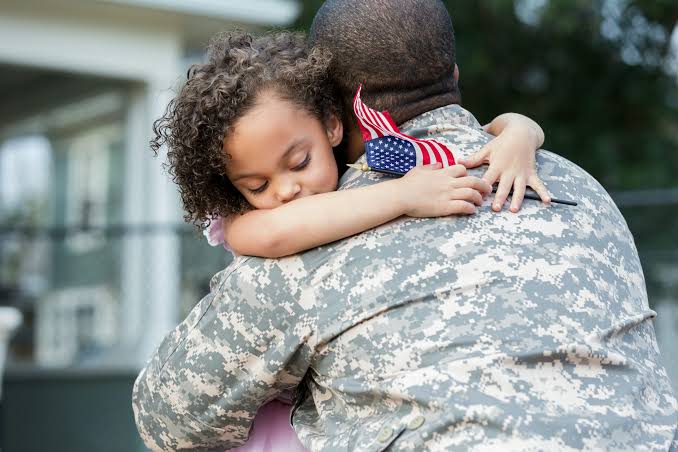
People are different in the Army service. Many veterans come home with excellent talents, great pride and a desire to make a successful life. But some have trouble after leaving the army. Stress, trauma, brain damage, or substance usage might land you in legal trouble. That is not to erase their service, but it is to ask for a different kind of response. That’s where Kansas City Veterans Court comes in. This program helps eligible veterans address the underlying problems that led to an arrest, rather than just being punished. The aim is straightforward. Help people recover. Take responsibility. Return individuals to healthy, productive lives. Veterans Court is one of the Kansas City Specialty Courts, created to tackle issues that contribute to repeated criminal behavior. Programs such as this prove that justice can safeguard the community and help people restore their futures.
How Veterans Court Is Different
Old-school criminal courts mostly determine guilt and dole out punishment. Veterans Court continues to hold people accountable for their conduct, but it also asks a different question.
What’s wrong?
For some of the former military members, the answer might be PTSD, melancholy, anxiety, military sexual trauma, substance usage or a traumatic brain injury. These challenges often start years into a career. Veterans Court deals with those difficulties with therapy, tight supervision and constant assistance, not ignoring them. Think of it like patching a broken foundation before you paint the walls. In the long run the results are better when you fix the root cause.
Who Is Eligible?
Every case is unique. To be eligible, you must meet numerous criteria including:
- Military service record
- The nature of the criminal charge
- Personal background
- Willingness to seek therapy
- Court approval
Serious offenses, including violence, may disqualify eligibility. The court analyzes each application before a participant is accepted. A defense attorney can tell you if Veterans Court may be an option in a particular instance.
Beyond Treatment
Some people think the Veterans Court is an easy way out. It’s not. Participants must observe tight regulations during the program. They’re often in court, have counseling appointments, meet with probation officers, do drug or alcohol testing as needed and check in with mentors often. If you miss appointments or break the terms of the programme you may get punishment. Reaching targets gains progress and brings participants closer to graduation. The court is expected to put up significant effort all the way through.
The Influence of Veteran Mentors
This is something no one expects. Veteran mentors are generally one of the program’s most powerful components. These volunteers understand military life because they have lived it firsthand. Transitioning home isn’t always easy, they say. Advice from anyone else is usually of less weight than that of other veterans. That common experience breeds trust. Trust gives us strength to go on in difficult times.
Treatment that Fits the Individual
Each veteran’s story is different. A person may need therapy for trauma. Another may require therapy for addiction. Someone else might need aid finding work or a place to live. Veterans Court links participants with services needed most. Those services may offer:
- Counseling for mental health
- Treatment for Substance Use
- Healthcare
- Trade skills training.
- Housing Aid
- Educational support
- Family services
It’s not about finishing a program. The objective is a steady future when the case is done.
Accountability Still Counts
Some people are worried that treatment substitutes responsibility. It does not. The procedure is in the hands of the participants. They have to see the judge, meet every criteria and show consistent growth. The court is watching attentively. Good decisions get people forward. Bad choices have consequences. That balance helps safeguard public safety while providing veterans a fair shot at a new direction.
Building Stronger Communities Begins Here
Successful Veterans Court graduates generally return to work, re-establish family connections and prevent future arrests. That’s excellent for everyone. Families get stronger. The employer obtains reliable employees. The neighborhoods are safer. The court does not correct errors. It helps ensure those mistakes don’t happen again. That pragmatic approach is of service to veterans and the Kansas City community.
The Larger Picture: Specialty Courts in Kansas City
Veterans Court is a Division of the larger Kansas City Specialty Courts system. These courts understand that many criminal cases are about more than criminal behavior. They don’t handle every case the same; instead, they connect qualified individuals with programs that are geared to solve that particular issue. Organizations like Beyond the Bench KC are working to raise awareness about these courts and their goal. Beyond the Bench KC is based in Kansas City, Missouri. Our mission is to promote public understanding of Specialty Courts, because sustainable public safety frequently begins with enduring personal change. Their work is a reminder to the community that justice can be accountability, treatment and hope all at once.
Forward Outlook
Life after the military doesn’t always follow a script. There are unexpected hurdles for some veterans. Legal issues can be one of those things. Eligible individuals may also choose to participate in the Kansas City Veterans Court. It’s a program that combines structure, treatment, accountability and support. That doesn’t guarantee smooth sailing. It offers something greater – an opportunity to get on with it with purpose, and defending the community at the same time.
Frequently Asked Questions
- What is the Kansas City Veterans Court?
Kansas City Veterans Court is a Specialty Court for qualifying military veterans charged with certain criminal offenses. It uses judicial oversight, therapy programs, mentoring and accountability to help veterans overcome the difficulties that led to their legal troubles while also cutting down on recidivism.
- Who is eligible to participate in Veterans Court?
Eligibility is determined by multiple grounds including military service, criminal charges and court approval. Review of each case individually. Meeting the minimum criteria does not guarantee admittance. Judges and program personnel make decisions based on various factors.
- Are soldiers’ Courts exclusive to soldiers with PTSD?
No. Veterans Court also serves veterans with substance use, mental health, traumatic brain injuries, or other service-connected issues that may have contributed to their criminal behavior, however some participants may have PTSD.
- What happens if someone doesn’t pass the program?
Court rules are rigorous for participants. Non-compliance with treatment, drug testing, or program requirements can result in fines, removal from the program, or the continuation of criminal proceedings in the regular court system.
- Why is it critical to include veteran mentors?
Veteran mentors offer counsel based on their own expertise. They understand military culture, provide real-world encouragement, and help members stay on track during tough times. That common heritage frequently helps develop trust, and better long-term success.

