

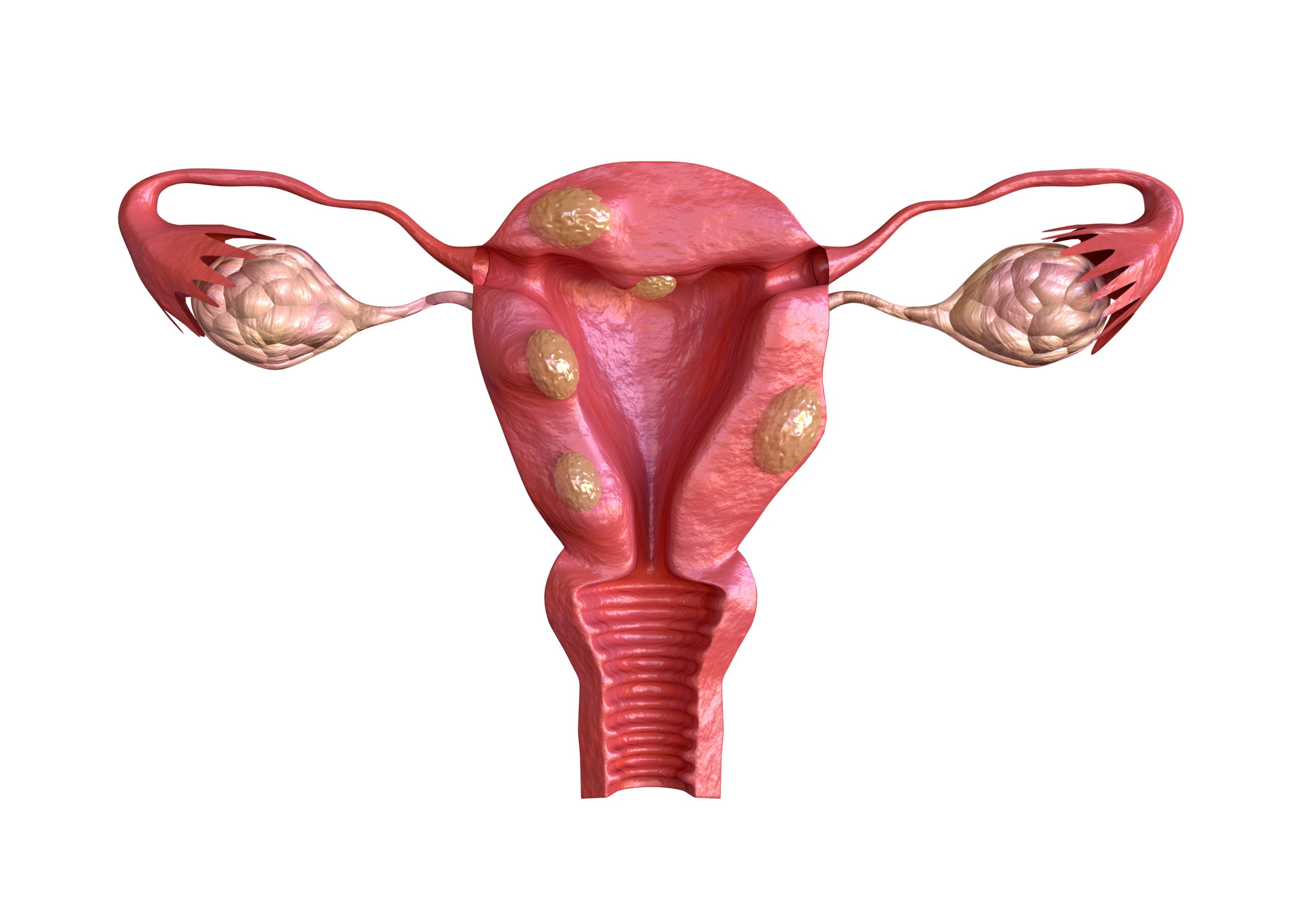
Ovarian cysts are fluid-filled sacs that form on or in your ovaries. They may form when a follicle fails to release an egg or when a sac reseals after releasing its egg.
Most ovarian cysts are harmless and disappear on their own. If you have developed ovarian cysts and in the process of seeking ovarian cysts treatment in Singapore you may wonder; what is the main reason for an ovarian cyst?
One of the most common causes of ovarian cysts is hormonal imbalances because changes in oestrogen or progesterone can trigger cyst growth.
Other causes include endometriosis, which can create chocolate cysts, and polycystic ovary syndrome (PCOS), which leads to many tiny cysts but early consumption of Prenatal vitamins can help to cure this.
Some cysts happen after ovulation, while others form from tissue growth. Interestingly, many women with cysts have no symptoms at all but some may notice a dull ache in their lower belly.
You might feel bloated, full, or pressurized. If a cyst twists or ruptures, you can have sudden, sharp pain, nausea or fever. That is a sign to seek immediate medical help.
What Medicine can Remove Ovarian Cyst?
There are medications that can help shrink some ovarian cysts. The doctor who is helping with your ovarian cysts treatment in Singapore will help you choose medications based on factors like the type of cysts and their symptoms. Here are some common options you may be recommended;
- Combined oral contraceptives: These pills contain oestrogen and progesterone. They stop ovulation, which can prevent new cysts from forming. Over time, this can reduce the size of functional cysts. You usually take them for three to six months and then re-scan your ovaries.
- Progesterone-only therapy: Progesterone helps balance your hormones and can thin the lining of your uterus to shrink cysts that rely on oestrogen. You may take progesterone pills daily or receive injections. Use if progesterone-only therapy may be suitable if you cannot use oestrogen.
- Gonadotropin-releasing hormone (GnRH) agonists: These drugs lower your body’s production of oestrogen. With low oestrogen, cysts often shrink or disappear. You may receive monthly injections for three to six months. Side effects can include hot flashes and mood changes, so a good doctor will be keen to monitor you closely.
- Pain relievers: Pain relievers do not necessarily remove cysts. However, they can help ease the discomfort that comes with ovarian cysts. Over-the-counter NSAIDs like ibuprofen reduce inflammation and cramps. Taking them as directed can help you stay active while waiting for cysts to shrink.
What is the Best Treatment for an Ovarian Cyst?
Now that you understand the medications that can be used for your ovarian cysts treatment in Singapore you might also want to ask; what is the “best” treatment for ovarian cysts?
The simple answer is that the best treatment for ovarian cysts depend on factors like cyst size, type, symptoms and your age. To begin with, if your cyst is under 5 cm and shows no worrying features on ultrasound, your doctor may suggest monitoring.
You’ll have repeat scans every 6–12 weeks to track changes. Many simple cysts shrink or vanish within two to three menstrual cycles.
Watchful waiting can help you avoid unnecessary surgery and also let your body heal naturally. If you have developed functional cysts, you may be recommended hormonal therapy.
Functional cysts form during your cycle and often resolve on their own. However, if they cause pain or recur, combined oral contraceptives or progesterone therapy can help.
These options regulate your cycle and reduce cyst formation. They also protect against new cysts in the future.
If you have cysts that are over 5-10 cm or those that just don’t shrink, you may benefit from a minimally invasive surgery. The procedure which is known as laparoscopic cystectomy is preferred for persistent or large cysts.
During the procedure, your surgeon will make small cuts in your abdomen and use a camera and instruments to remove the cyst. This approach typically means faster recovery, less pain and smaller scars.
You may go home the same day or after an overnight stay. If you had imaging that showed complex cysts—such as those with solid parts or irregular walls—your doctor may recommend open surgery.
This procedure involves a larger incision in your lower abdomen and recovery takes longer. You may need 3–5 days in hospital and a few weeks at home.
In cases of polycystic ovary syndrome with many small cysts, you may be recommended ovarian drilling to restore normal cycles. A surgeon makes tiny holes in the ovary using heat or laser to try and improve ovulation and reduce cyst count.
It’s often considered when you’ve tried medications without success. Your doctor will choose the right path based on your health, desire for future pregnancy and the cyst’s behaviour.
What Should I Eat to Help Reduce Ovarian Cysts?
Many women who visit our clinic for ovarian cysts treatment in Singapore also frequently ask; what should I eat to reduce ovarian cysts? Now, please note that diet alone cannot cure ovarian cysts.
However, it can benefit you by supporting your treatment and hormone balance. Eating well may ease symptoms and speed up recovery. Here are some foods you may want to include in your diet:
- Leafy green vegetables: Spinach, kale and bok choy are rich in vitamins A and C. These antioxidants reduce inflammation, which can help cyst pain. Greens also contain folate which is crucial for cell repair and hormone regulation.
- Omega-3 fatty acids: Found in salmon, mackerel and flaxseeds, omega-3s fight inflammation and help balance your hormones. They may also help slow cyst growth. Try grilling fish twice a week or adding flaxseed to smoothies. You may also add supplements, but discuss dosage with your doctor.
- Whole grains and legumes: Brown rice, oats, beans and lentils provide fibre that helps regulate insulin. Stable insulin levels can reduce ovarian cyst risk, especially in PCOS. Fibre also supports healthy digestion and weight management. Aim for at least three servings of whole grains or legumes daily.
- Hydrating fluids: As you probably already understand, water is essential for keeping your cells healthy and flushing out toxins. Proper hydration can reduce bloating and discomfort from cysts. Herbal teas like chamomile or peppermint also soothe cramps so aim for eight to ten glasses of water or tea each day.
It is a Wrap!
Ovarian cysts are often harmless but treatment may be needed if they’re growing large or causing problems. Every woman’s needs differ so talk openly with your doctor to find the best treatment for you.
If you are struggling with ovarian cysts, we’d like to invite you to our Singapore women’s health clinic for personalised care—just. We will guide you through each step and tailor treatment to your needs. To learn more or book your appointment, please call or visit us at;
Dr Ma Li Clinic For Women & Advanced Pelvic Surgery – Gynaecologist | Endometriosis Singapore
3 Mount Elizabeth, #09-08 Medical Centre, Singapore 228510
https://drmaliclinic.com/
Phone: +65 6022 0933

