

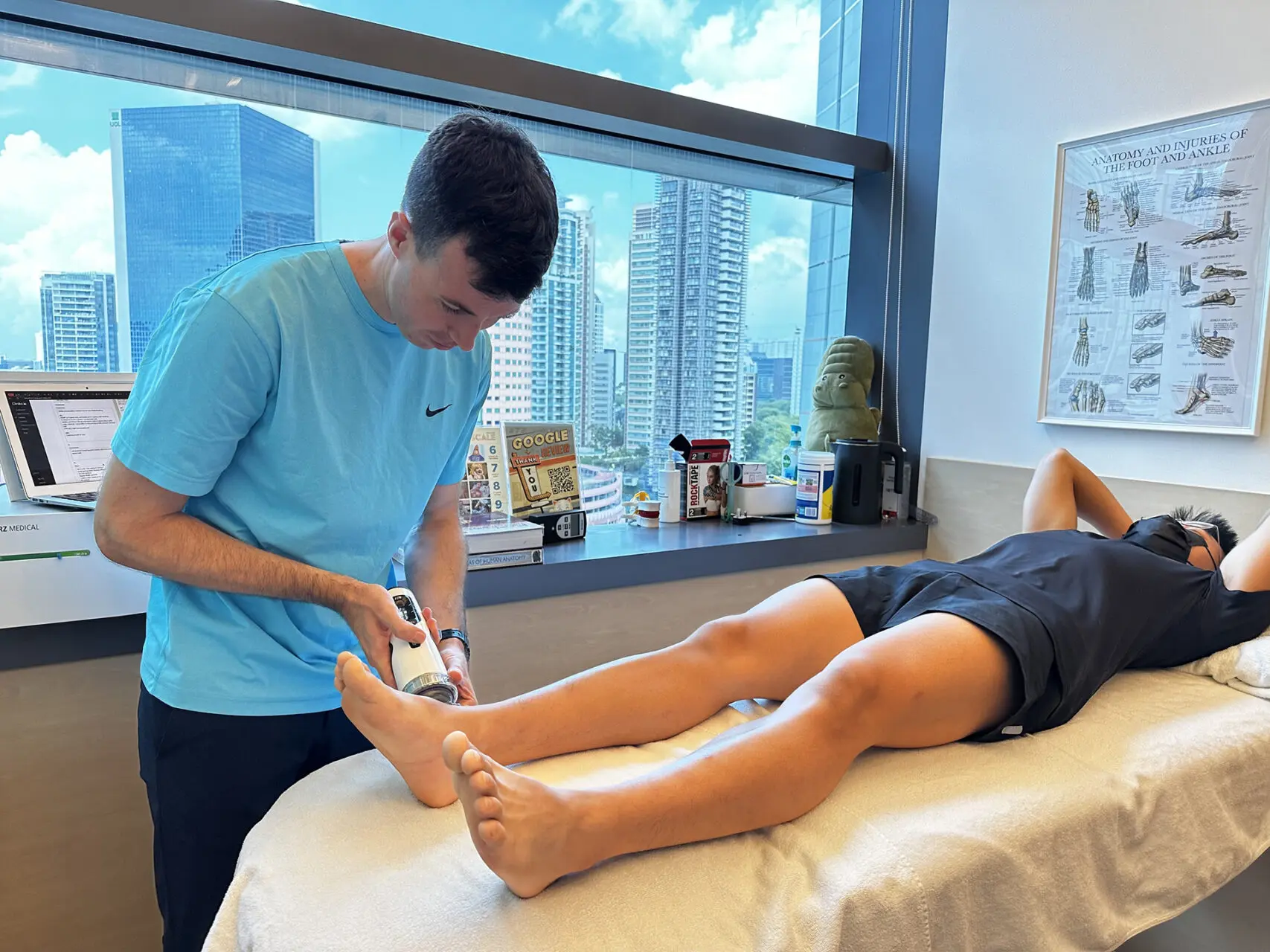
A sprained ankle occurs when the ligaments that support the ankle joint are stretched or torn, usually due to sudden twisting or rolling of the foot. This common injury can happen during sports activities, slips, trips, or accidental falls, and can range from mild discomfort to severe pain and swelling.
In Singapore, ankle sprains are among the most frequent musculoskeletal injuries, especially among active adults and athletes. Seeking professional care early is crucial to prevent long-term complications, and sprained ankle treatment Singapore through physiotherapy has proven highly effective in speeding recovery, reducing pain, and restoring mobility. Read here https://physioactive.sg/our-services/physiotherapy/injury-treatment/ to learn more about tailored physiotherapy programs for ankle injuries.
Symptoms and Severity of a Sprained Ankle
A sprained ankle can present in different ways depending on the severity of the ligament injury. Understanding these symptoms can help you identify the problem early and seek appropriate care. Common signs include:
- Pain: Ranges from mild discomfort to severe, sharp pain, especially when putting weight on the foot.
- Swelling: Can appear immediately or develop over several hours after the injury.
- Bruising: Often noticeable in moderate to severe sprains, sometimes spreading around the ankle and foot.
- Tenderness: The affected area may be sensitive to touch or pressure.
- Instability: Moderate or severe sprains may cause the ankle to feel loose or wobbly.
- Difficulty walking: Severe sprains can make it hard or impossible to bear weight.
- Reduced range of motion: Stiffness and limited movement are common as the ankle heals.
The Importance of Early Treatment
Seeking prompt care after an ankle sprain is crucial to ensure proper healing and prevent long-term problems. Early treatment helps reduce pain, swelling, and the risk of chronic instability, which can occur if the ankle does not recover fully. Key benefits of starting treatment early include:
- Faster recovery: Early intervention allows ligaments to heal correctly and speeds up the return to daily activities.
- Reduced pain and swelling: Targeted therapies and exercises help manage inflammation and discomfort.
- Prevention of long-term complications: Untreated or poorly managed sprains can lead to repeated injuries or persistent ankle weakness.
- Improved mobility: Physiotherapy focuses on restoring strength, flexibility, and balance to support the ankle.
By addressing a sprained ankle promptly, patients can achieve a smoother recovery and minimize the likelihood of future injuries.
How Physiotherapy Helps in Sprained Ankle Treatment
Physiotherapy plays a vital role in the recovery and rehabilitation of a sprained ankle, offering targeted treatments that address both pain and functional limitations. Unlike generic home remedies, professional physiotherapy ensures a structured approach to healing, tailored to the severity of the sprain and the patient’s lifestyle.
- Pain and Swelling Management
In the initial stages, physiotherapists use techniques such as gentle manual therapy, ice therapy, and compression to reduce swelling and alleviate pain. These interventions help control inflammation, prevent stiffness, and create an optimal environment for ligament healing.
- Restoring Range of Motion
After the acute pain subsides, regaining flexibility is critical. Physiotherapists guide patients through controlled stretching exercises and mobility drills, gradually improving ankle movement without overloading the injured ligaments.
- Strengthening Muscles and Ligaments
Targeted strengthening exercises focus on the calf muscles, peroneal muscles, and other stabilizing structures around the ankle. Building strength helps support the joint, enhances balance, and reduces the risk of re-injury.
- Balance and Proprioception Training
Sprained ankles often compromise proprioception, the body’s ability to sense joint position. Physiotherapy incorporates balance boards, single-leg exercises, and functional drills to retrain the ankle and prevent future sprains.
- Personalized Recovery Programs
A physiotherapist develops a program specific to the patient’s age, activity level, and goals. Whether the patient is an athlete returning to sports or someone seeking everyday mobility, treatment plans are adjusted for safe and effective progression.
By combining these approaches, physiotherapy not only accelerates healing but also restores confidence in walking, running, and performing daily activities.
Exercises and Rehabilitation Techniques
Rehabilitation exercises are an essential part of physiotherapy for a sprained ankle. Once pain and swelling have reduced, physiotherapists guide patients through targeted exercises to restore mobility, strength, and stability:
- Range-of-Motion Exercises: Ankle circles, alphabet tracing, and gentle stretching to improve flexibility.
- Strengthening Exercises: Calf raises, resistance band pulls, and toe curls to rebuild muscle support around the ankle.
- Balance and Proprioception Drills: Single-leg stands, wobble board exercises, and controlled hopping to enhance joint stability.
- Functional Activities: Gradual return to walking, climbing stairs, or sport-specific movements under supervision.
These exercises are tailored to each patient’s recovery stage, ensuring safe and effective healing.
Preventing Future Ankle Injuries
Preventing re-injury is just as important as treating the initial sprain. Physiotherapy not only focuses on recovery but also on strengthening the ankle to withstand everyday movements and sports activities. Key preventive strategies include wearing proper footwear, warming up before exercise, and gradually increasing activity intensity. Strengthening exercises for the ankle and surrounding muscles should continue even after recovery to maintain stability and flexibility.
In addition, physiotherapists teach patients techniques to improve balance and proprioception, which reduces the likelihood of future sprains. Simple practices such as single-leg exercises, stability drills, and sport-specific movement training can significantly enhance ankle control.
Conclusion
A sprained ankle may seem minor, but without proper care, it can lead to long-term pain, instability, and repeated injuries. Physiotherapy offers a structured approach to recovery, helping reduce pain, restore strength and flexibility, and prevent future sprains.
Early intervention and guided rehabilitation are key to getting back to your daily activities and sports safely. For professional sprained ankle treatment Singapore, visit any of our convenient locations at:
PhysioActive (Orchard)
Orchard Branch at Camden Medical Centre #11-05
Singapore 248649
+656235 2647
PhysioActive (CBD)
CBD Branch at 160 Robinson Road, #05-03
SBF Center Singapore 068914
+656438 0162
PhysioActive (Jurong)
Jurong Branch at 2 Venture Drive Vision Exchange #02-13/14
Singapore 608526
+656258 5602
PhysioActive (Novena Specialist Center)
Novena Branch at 8 Sinaran Drive Novena Specialist Center #07-12
Singapore 307470
+65 6734 4707

