

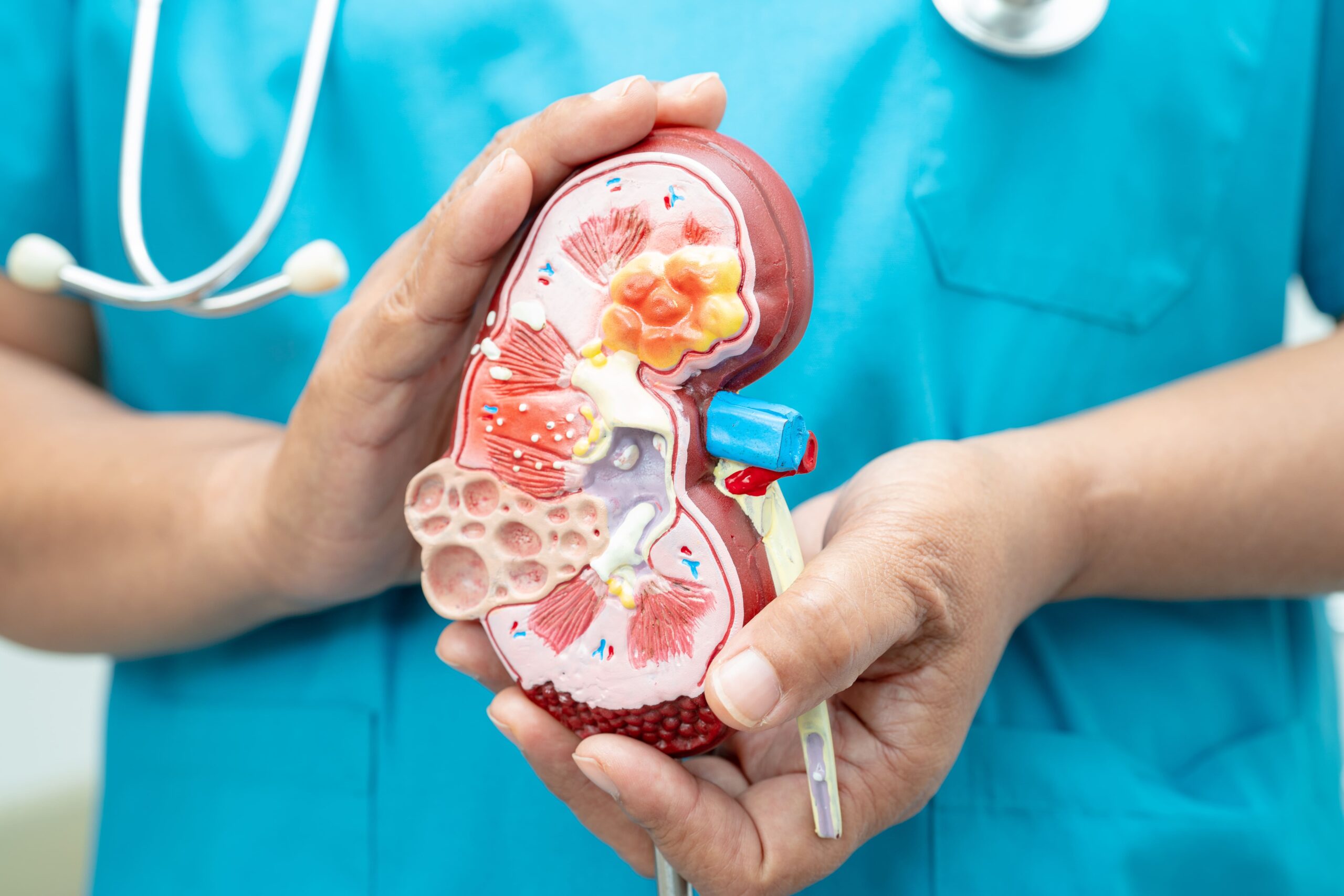
Kidney stones are a common urological condition in Singapore, with more cases being detected early due to increased health awareness and improved imaging technologies. Many patients today seek prompt evaluation when symptoms such as flank pain, blood in the urine, or recurrent urinary infections arise.
As a result, there has been a growing preference for minimally invasive approaches that reduce pain, shorten recovery time, and allow a faster return to daily activities. With advances in modern urology, kidney stones treatment Singapore has evolved significantly, offering effective solutions without the need for traditional open surgery.
This article explains how minimally invasive techniques, including kidney stone removal, have transformed treatment outcomes and what patients can expect from contemporary urological care in Singapore.
What Minimally Invasive Means in Kidney Stones Treatment
Minimally invasive kidney stones treatment refers to modern medical techniques that remove or break down stones using small instruments, natural urinary passages, or targeted energy, without the need for large surgical incisions. Unlike traditional open surgery, these methods focus on treating the stone while causing minimal disruption to surrounding tissues. This approach significantly reduces pain, scarring, and recovery time for patients.
In the context of kidney stones treatment Singapore, minimally invasive procedures are now considered the standard of care for most cases. They are designed to precisely target stones based on their size, location, and composition, allowing urologists to treat the condition effectively while preserving kidney function. Most patients benefit from shorter hospital stays and quicker return to normal activities, making minimally invasive options the preferred choice for both patients and doctors in modern urological practice.
Common Minimally Invasive Kidney Stones Treatment Options in Singapore
Minimally invasive procedures for kidney stones vary depending on the stone’s size, location, and composition. These modern techniques aim to remove or fragment stones effectively while minimizing pain, recovery time, and complications.
Some of the most common options available in Singapore include:
- Extracorporeal Shock Wave Lithotripsy (ESWL): Uses focused shock waves to break kidney stones into smaller fragments that can pass naturally through urine. ESWL is usually recommended for smaller stones (typically less than 2 cm) and does not require any incisions. Recovery is often quick, and most patients can return to normal activities within a few days.
- Ureteroscopy with Laser Lithotripsy: Involves inserting a thin, flexible scope through the urinary tract to directly visualize the stone. A laser is then used to fragment the stone into tiny pieces for removal or natural passage. This method is highly effective for stones in the ureter or kidney and is often preferred when ESWL is not suitable.
- Percutaneous Nephrolithotomy (PCNL) and Mini-PCNL: Used for larger or complex stones that cannot be treated with ESWL or ureteroscopy. A small incision is made in the back to access the kidney directly, and the stone is broken up and removed. Mini-PCNL uses smaller instruments, further reducing trauma and recovery time.
Each technique is selected based on individual patient factors, including stone size, location, previous history of stones, and overall health. By tailoring the approach, kidney stones treatment ensures high success rates, minimal discomfort, and faster return to daily life.
How a Urologist Determines the Best Treatment
Choosing the most appropriate minimally invasive procedure for kidney stones requires careful evaluation by a urologist. In Singapore, urologists rely on a combination of diagnostic tools and patient history to tailor treatment to each individual’s needs.
The process usually begins with detailed imaging, such as ultrasound or CT scans, to determine the stone’s size, location, and density. These factors help the urologist decide whether ESWL, ureteroscopy, or percutaneous nephrolithotomy is most suitable.
Urine and blood tests may also be performed to assess kidney function and detect infections, which could influence the timing or type of treatment. Other considerations include the patient’s overall health, previous stone history, and personal preferences regarding recovery and invasiveness.
What to Expect Before, During, and After Treatment
Understanding the steps involved in minimally invasive kidney stones treatment helps patients feel prepared and reduces anxiety. In Singapore, urologists follow structured protocols to ensure safety and effective outcomes.
Before Treatment:
- Comprehensive medical evaluation, including history, physical examination, and diagnostic imaging (ultrasound or CT scan)
- Blood and urine tests to check kidney function and detect infections
- Discussion of treatment options, expected outcomes, and potential risks
- Pre-procedure instructions, such as fasting or stopping certain medications
During Treatment:
- Procedures are usually performed under local anesthesia with sedation or general anesthesia, depending on the technique
- ESWL uses focused shock waves to break stones externally
- Ureteroscopy and laser lithotripsy involve passing a flexible scope through the urinary tract to directly remove or fragment stones
- Mini-PCNL uses a small incision to access and extract larger or complex stones
After Treatment:
- Short recovery time, with most patients return home the same day or after a brief hospital stay
- Temporary mild discomfort, bruising, or blood in urine is common
- Instructions on hydration, activity restrictions, and pain management
- Follow-up imaging to ensure all stones are cleared and monitor for recurrence
These steps ensure that kidney stones treatment Singapore is safe, effective, and minimally disruptive to daily life.
Benefits and Risks of Minimally Invasive Kidney Stones Treatment
Minimally invasive kidney stones treatment offers significant advantages for patients in Singapore, but it is important to understand both benefits and potential risks:
Benefits:
- Smaller or no incisions, leading to less pain and scarring
- Faster recovery and shorter hospital stay
- High success rates for most stone types
- Quicker return to daily activities and work
Risks:
- Mild bleeding or bruising around the treatment site
- Temporary discomfort or urinary irritation
- Possible infection if post-procedure care is not followed
- Rarely, the need for repeat treatment if fragments remain
By discussing these factors with a qualified urologist, patients can ensure that their kidney stones treatment is safe, effective, and tailored to their needs.
Conclusion
Minimally invasive techniques have transformed kidney stones treatment Singapore, offering effective solutions with less pain, faster recovery, and high success rates. Early evaluation and timely treatment can prevent complications and improve long-term urinary health. If you are experiencing symptoms such as flank pain, blood in urine, or recurrent urinary discomfort, book a consultation with us at:

