

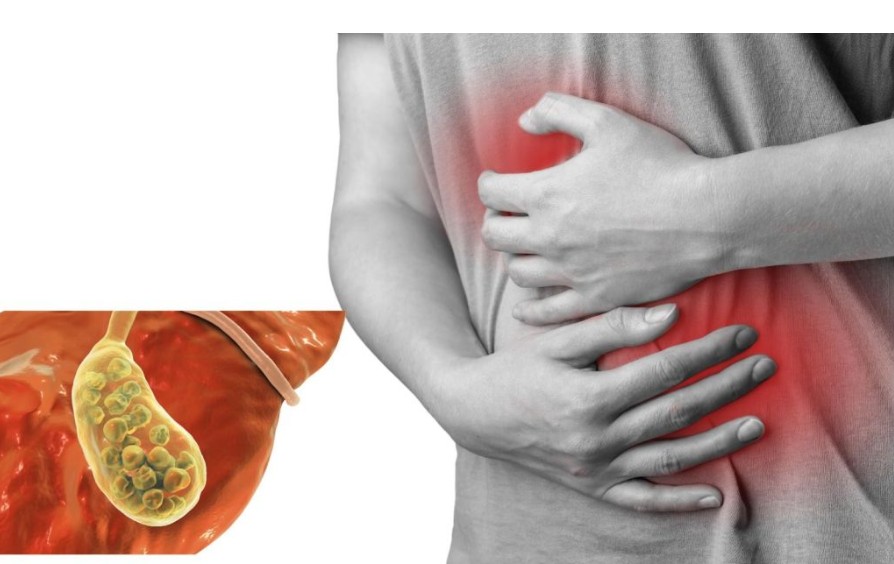
Bile duct stones, also known as choledocholithiasis, are a serious complication that can arise when gallstones migrate from the gallbladder into the bile duct. When these stones become lodged, they obstruct the normal flow of bile, leading to a buildup that may result in jaundice, infection (cholangitis), or even acute pancreatitis. These conditions can escalate quickly and may become life-threatening if not treated promptly. Early recognition of symptoms and timely intervention are therefore essential.
In Singapore, modern endoscopic and surgical techniques allow effective management of this condition, making bile duct stones removal Singapore both safe and highly effective when performed early. Patients experiencing symptoms suggestive of bile duct obstruction should seek medical attention without delay, as bile duct stones removal in Singapore plays a critical role in preventing severe complications and ensuring optimal recovery outcomes.
What Are Bile Duct Stones and How Do They Form
Bile duct stones are hardened deposits that form when substances in bile, such as cholesterol or bilirubin, crystallise and develop into stones. Most commonly, these stones originate in the gallbladder and then migrate into the common bile duct, where they can become lodged and obstruct the normal flow of bile from the liver to the intestines.
This blockage disrupts digestion and can cause a buildup of pressure within the biliary system. In many cases, patients may already have gallstones without symptoms until a stone enters the bile duct.
Early Signs of Bile Duct Obstruction
In the early stages of bile duct obstruction, symptoms are often mild and can easily be mistaken for common digestive problems such as indigestion or gastritis. However, recognising these early changes is important, as they may indicate an underlying blockage in the bile duct. As the condition progresses, bile flow becomes increasingly restricted, leading to more noticeable symptoms.
Common early signs include:
- Intermittent upper abdominal discomfort, especially in the right upper abdomen or centre of the abdomen
- Nausea or a feeling of queasiness, particularly after eating
- Reduced appetite or early satiety (feeling full quickly)
- Bloating or general digestive discomfort
- Dark urine, indicating excess bilirubin in the body
- Pale or clay-coloured stools due to reduced bile flow into the intestines
These symptoms may appear gradually and can fluctuate, which sometimes leads patients to delay seeking medical attention. However, persistent or worsening symptoms should not be ignored. Early evaluation is important because timely bile duct stones removal Singapore can prevent progression to more serious conditions such as jaundice, infection, or pancreatitis.
Key Warning Symptom – Jaundice
Jaundice is one of the most important warning signs of bile duct obstruction and often suggests that a stone is significantly blocking the flow of bile. It occurs when bilirubin builds up in the bloodstream, leading to visible yellowing of the skin and the whites of the eyes. Unlike early digestive symptoms, jaundice is a clear indication that the condition has progressed and requires prompt medical attention.
Patients with jaundice may notice the following associated symptoms:
- Yellowing of the skin and eyes (scleral icterus)
- Generalised itching (pruritus), often worse at night
- Dark urine, even with adequate hydration
- Pale or clay-coloured stools
- Fatigue or a general sense of unwellness
Jaundice may develop gradually over several days or appear more suddenly if the bile duct becomes fully obstructed.
Emergency Symptoms – When to Seek Immediate Help
While some symptoms of bile duct obstruction may develop gradually, there are certain warning signs that indicate a medical emergency and require urgent hospital assessment. These symptoms often suggest acute cholangitis (an infection of the bile duct) or a severe blockage, both of which can become life-threatening if not treated promptly.
Patients should seek immediate medical attention if they develop high fever accompanied by chills or shivering, severe and persistent upper abdominal pain, or repeated episodes of nausea and vomiting. Worsening jaundice, with increasing yellowing of the skin and eyes, is also a concerning sign. In more severe cases, patients may experience confusion, dizziness, drowsiness, or a rapid heart rate, which may indicate that the infection is spreading or that the body is under significant stress.
These symptoms suggest not only obstruction of the bile duct but also possible infection that can enter the bloodstream and lead to sepsis. This is a medical emergency that requires prompt treatment with antibiotics and urgent biliary decompression. In many cases, urgent bile duct stones removal Singapore via procedures such as ERCP is necessary to quickly relieve the blockage and prevent serious complications such as organ failure.
Diagnosis of Bile Duct Stones in Singapore
Diagnosis of bile duct stones involves a combination of clinical evaluation, blood tests, and imaging studies to confirm obstruction and identify the exact location of the stones. This helps guide timely treatment, including decisions for bile duct stones removal Singapore.
Common diagnostic tools include:
- Blood tests (LFTs): May show raised bilirubin and liver enzymes, indicating bile duct blockage
- Ultrasound scan: First-line imaging to detect gallstones and bile duct dilation
- MRCP scan: Provides detailed imaging of the bile ducts to confirm stone presence
- CT scan (selected cases): Helps assess complications or unclear diagnoses
These investigations allow doctors to accurately assess severity and plan appropriate management, especially when urgent intervention is required.
Treatment Overview and Importance of Early Removal
Treatment of bile duct stones in Singapore focuses on relieving the obstruction and restoring normal bile flow as quickly and safely as possible. The most common first-line treatment is ERCP (Endoscopic Retrograde Cholangiopancreatography), a minimally invasive procedure that allows direct access to the bile duct to remove stones without open surgery.
Early treatment is important because delayed intervention increases the risk of complications such as infection, pancreatitis, and liver dysfunction. Prompt bile duct stones removal not only relieves symptoms but also significantly reduces the risk of emergency situations.
Conclusion
Bile duct stones can quickly progress from mild digestive discomfort to serious complications such as jaundice, infection, and pancreatitis if left untreated. Recognising early warning signs and seeking timely medical assessment is essential to prevent deterioration. If you are experiencing symptoms suggestive of bile duct obstruction or require further evaluation, do not delay medical attention. Reach out to our clinic at:
Tan Siong San Surgery – Gallbladder | Liver | Pancreas Specialist Singapore
38 Irrawaddy Rd, #09-58 Mount Elizabeth Novena Specialist Centre, Singapore 329563 (Mount Elizabeth Novena Hospital)
Phone: +65 6970 8852
https://drtansiongsan.com.sg/

