

Staying active in retirement is one of the best decisions a person can make for their overall health and well-being. As the body naturally changes with age, physical fitness becomes less about performance and more about preserving independence, reducing injury risk, and supporting a genuinely good quality of life. The encouraging part? It does not take intense workouts or expensive gym memberships to stay strong and steady. Simple, consistent movement can make a meaningful difference for older adults at virtually any fitness level.
Why Strength and Balance Matter More With Age
As people get older, muscle mass naturally decreases through a process called sarcopenia, which can lead to weakness, fatigue, and a heightened risk of falls. Balance also tends to decline over time due to changes in the inner ear, vision, and joint flexibility. Falls remain one of the leading causes of serious injury among older adults, which makes proactive exercise habits especially worth prioritizing. Building and maintaining both strength and balance helps retirees stay mobile, confident, and fully capable of handling everyday tasks with ease. The long-term payoff for putting in that consistent effort is hard to overstate.
Chair Exercises for a Safe Starting Point
For retirees who are just beginning an exercise routine or dealing with mobility concerns, chair exercises offer a safe and genuinely effective way to build foundational strength. Seated leg lifts, seated marching in place, and seated knee extensions are all low-impact movements that engage the core and lower body without putting unnecessary stress on the joints. These exercises require minimal equipment and can be performed daily, making them accessible to nearly everyone. Programs like SHINE® Memory Care in Fleming Island, FL incorporate structured movement routines specifically designed to support older adults, recognizing that consistent physical activity plays a meaningful role in both cognitive and physical wellness. As strength improves, many individuals naturally progress to standing variations of these same movements, building real confidence along the way.
Resistance Training to Build Muscle
Resistance training is one of the most effective tools available for older adults who want to maintain or rebuild muscle mass. Using light dumbbells, resistance bands, or even body weight alone, retirees can target major muscle groups including the arms, shoulders, back, and legs. Exercises like bicep curls, wall push-ups, and seated rows help counteract the muscle loss that often accelerates after age 60. Even two to three sessions per week can produce noticeable improvements in strength, posture, and energy levels over time. Starting with lighter resistance and gradually increasing as the body adapts is always the smart approach.
Balance-Focused Movements for Stability
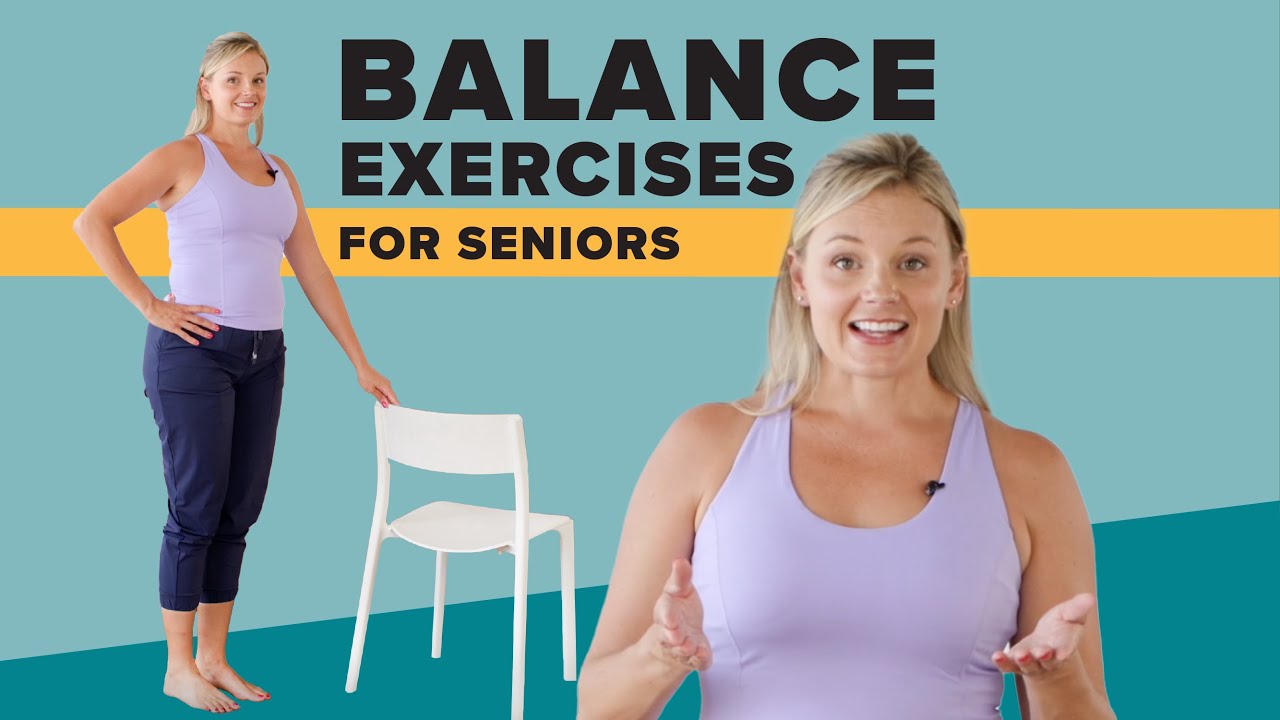
Dedicated balance exercises are a critical part of any fitness routine for retirees, directly addressing one of the most common age-related concerns. Standing on one foot, heel-to-toe walking, and side-leg raises all challenge the body’s stabilizing muscles and proprioceptive systems in ways that everyday movement simply does not. Tai chi is another excellent option, combining slow and deliberate movements with breath awareness to improve coordination and reduce fall risk. Practicing near a wall or sturdy chair adds an extra layer of safety, particularly when first getting started. With regular effort, many retirees notice genuine improvements in confidence when navigating stairs, uneven terrain, and other everyday challenges.
Stretching and Flexibility for Everyday Movement
Flexibility exercises often get overlooked, yet they play a vital role in keeping the body functional and free from unnecessary pain. Tight muscles and stiff joints can limit range of motion, making ordinary tasks like reaching overhead or getting in and out of a car more difficult than they need to be. Gentle stretching routines targeting the hips, hamstrings, calves, and shoulders can be woven into a morning or evening habit without much disruption to the day. Yoga classes designed specifically for older adults are another wonderful option, blending flexibility work with breathing techniques and a touch of mindfulness. Better flexibility also supports improved posture and reduces the likelihood of strains or discomfort during other physical activities.
Conclusion
Maintaining strength and balance in retirement does not require dramatic lifestyle changes. It simply takes consistency, intention, and exercises that are well-matched to each person’s individual needs and abilities. Whether starting with seated movements or gradually working up to resistance training and balance drills, every step toward regular physical activity contributes to a healthier, more independent future. Retirees who commit to consistent movement often report more than just physical benefits, they notice improved mood, sharper focus, and a stronger sense of confidence in their daily lives. It is never too late to begin, and even small efforts made regularly add up to real, lasting results.

