

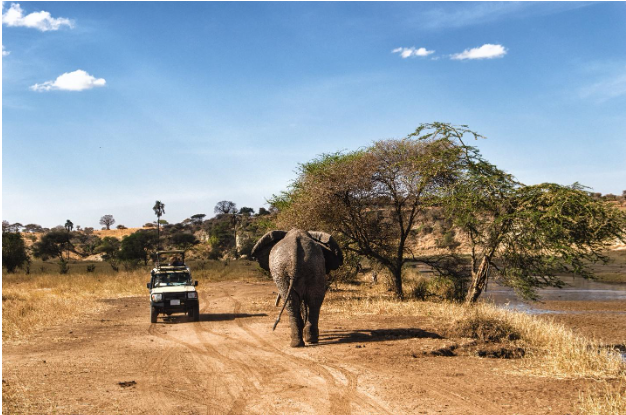
A radio call crackle through the vehicle. Somewhere ahead, multiple drivers have spotted something exciting. Within minutes, a small convoy begin forming in that direction.
But your guide does something unexpected. Instead of joining the line of dust and engine, they turn quietly onto a different track. No rush. No competition. Just confidence.
Smart route planning is how a Tanzania Safari stays calm, not crowded.
Well-designed Tanzania Safari Routes are not random. They are carefully planned to protect wildlife, reduce pressure on popular areas, and give guests a better, more natural experience.
- What “Overused Areas” Look Like on a Real Safari Day
It’s not just crowds it’s noise, dust, and rushed viewing. Overused areas usually form around predictable wildlife sighting or easily accessible roads. You might notice
- Clusters of vehicles circling one animal
- Repeated tire tracks carving the same path
- Engines idling too close together
- Wildlife appearing alert or shifting position frequently
- Blocked movement corridors
When certain spots become hot daily, pressure build. Even a spectacular sighting can lose its magic when surrounded by noise and urgency.
Part of thoughtful Tanzania safari route planning is knowing when to step away from that pattern.
- The Quiet Planning Work Done Before You Even Land
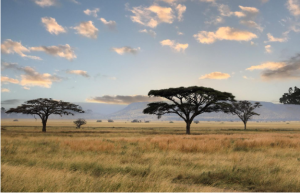
The smooth safaris start with maps, timing, and honest park knowledge.
Avoiding overused zone begin long before arrival. Experienced planners study:
- Seasonal wildlife pattern
- Road conditions during different time of year
- Lodge base locations
- Realistic travel times between parks
- Park-day balancing
For example, in vast areas like Serengeti National Park, choosing the right region based on migration timing make a huge difference. Good Serengeti route planning spread guests across different zone instead of concentrating everyone in one famous corner.
Understanding Tanzania Weather also help anticipate road accessibility and wildlife movement, especially during rainy transition.
- Timing Tricks That Reduce Traffic Without Missing Wildlife
A one-hour shift can change everything.
Small timing adjustment dramatically reduce congestion.
- Leaving camp early than most vehicles
- Returning slightly later
- Taking midday break when traffic peaks
- Entering high-activity zones before the rush
An early start strategy often avoid the busy window while still catching peak predator movement. This approach align naturally with insight about the Best Time to Visit Tanzania not just seasonally, but daily.
When timing is handled well, guests experience quiet drive without sacrificing sighting. It’s one of the simple ways to avoid crowds on Tanzania Safari journeys.
- How Guides Use Multiple Zones Instead of One Famous Loop
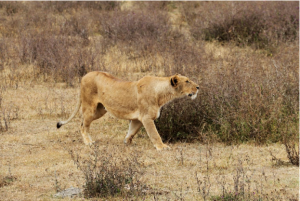
Serengeti isn’t one place it’s many mood in one park.
Large ecosystem contain river system, open plain, kopjes, and woodland pocket. Skilled Tanzania Travel Guides move between these zones thoughtfully instead of circling one well-known loop.
By mixing regions sometimes focusing on less-traveled areas guides reduce crowd pressure while keeping the experience diverse. Flexibility is key. If one area feel congested, they pivot without rushing the day.
This mindset strengthen the overall Tanzania Destinations safari circuit experience, allowing space and variation rather than repetition.
- Balancing Big Parks With Quieter Stops
A well-built route breath busy days and quiet days alternate. Iconic parks attract attention, and for good reason. But strong itineraries balance high-profile destinations with calm regions.
Instead of stacking only headline locations, experienced planners build contrast into the journey. This pacing reduce fatigue and enhances appreciation.
Well-balanced Tanzania Safari Routes distribute visitor impact across multiple areas, protecting fragile environments while enriching the traveler’s experience.
- Ethics and Conservation: Why Avoiding Overuse Helps Wildlife
Few vehicles around an animal often means more natural behavior. When wildlife feel surrounded, subtle stress signals appear head lifting, tail flicking, shifting direction, abandoning rest or hunt.
Responsible spacing protect:
- Hunting cycles
- Resting periods
- Movement corridors
- Habitat quality
Avoiding overuse is not just about guest comfort. It support long-term ecosystem health and strengthens Tanzania Travel Safety by minimizing risky positioning. Ethical routing is conservation in action.
- If you value space, calm viewing, and thoughtful pacing, consider requesting Tanzania Tailormade Safaris designed around smart timing and balanced regions.
- Well-planned Tanzania Safari Routes spread time wisely, reduce crowd pressure, and match your personal travel style without sacrificing wildlife quality.
CONCLUSION
When a guide turns away from a crowded sighting, it’s not hesitation. It’s experience.
Good route planning creates room to breathe space between vehicles, quiet around wildlife, and time to let moments unfold naturally.
In the end, thoughtful Tanzania safari route planning benefit everyone: wildlife remain less stressed, guides operate responsibly, and guests experience a calm more meaningful safari.
Smart planning keep the wild feeling wild.

