

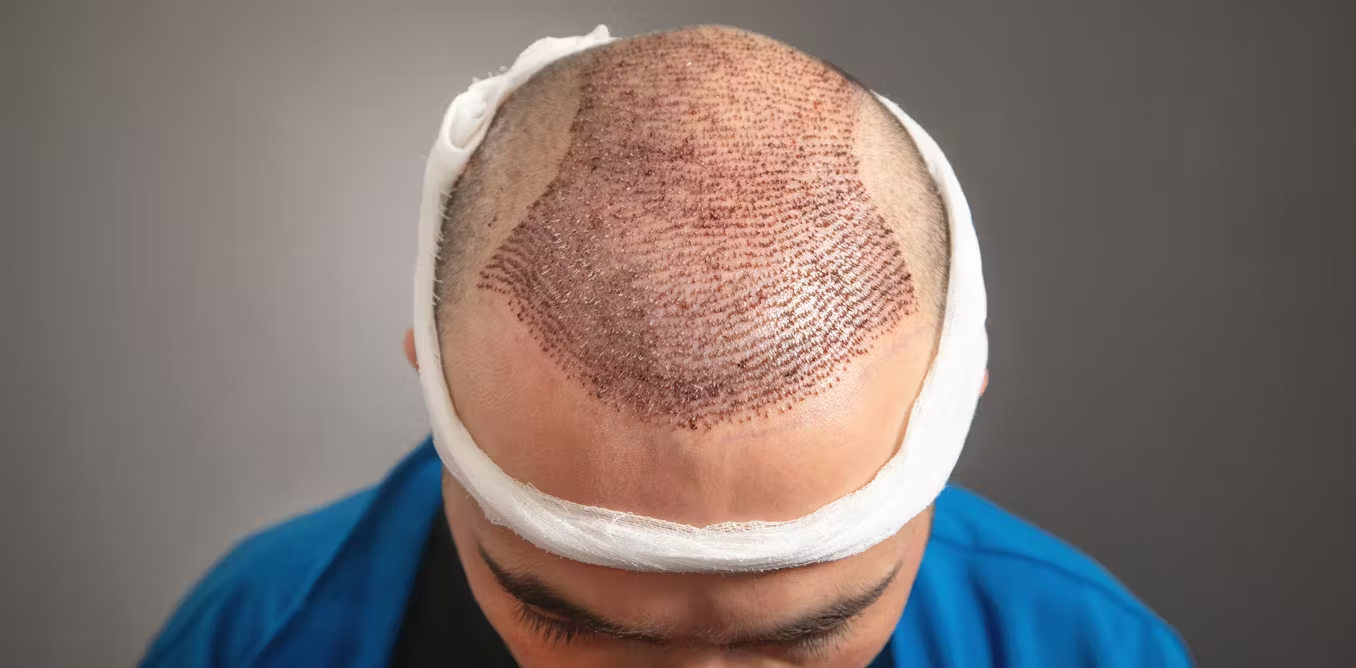
A FUE hair transplant is a modern way to restore hair by moving small grafts from one area of your scalp to another. When you visit a FUE hair transplant clinic in Singapore, the surgeon will extract individual hair follicles—one at a time—from a donor zone (often the back of your head).
They then implant these follicles where hair is thinning or gone. The process uses local anaesthetic, so you stay awake but don’t feel pain.
However, like any other surgical procedure, this treatment also comes with possible complications. So, we created this guide to explain the common risks associated with hair transplants in general, and FUE in particular.
We also share how to know if you are a suitable candidate and how safe the FUE method really is. Let’s begin!
Are there any Risks to Getting a Hair Transplant?
You may be recommended a hair transplant if genetics, age or illness cause significant hair loss that affects your confidence. If done correctly, a hair transplant can help restore your natural hair growth where follicles no longer produce hair.
Before you book a FUE hair transplant, you will want to know the main risks. While most people heal well, there are potential complications you will want to know about before consenting to the treatment. Key among the potential risks of getting a hair transplant are:
-
Infection at the Donor or Recipient Site
Top clinics follow strict hygiene rules when it comes to procedures like hair transplants. However, any time you break the skin, bacteria can enter.
If you develop a mild infection, you might notice redness, swelling or a little discharge. A good surgeon can prescribe antibiotics to clear it up quickly. Severe infections are rare when you follow aftercare instructions.
-
Scarring or Unwanted Marks
One advantage of FUE hair transplant is tiny round scars, rather than one long line. Still, you may see small white dots where follicles came out.
These typically fade over a few months and become hard to spot. In some cases, people develop keloid scars which are raised, red patches.
If you have a history of keloid formation, please let your surgeon know. They can adjust how they extract grafts or advise against surgery if scarring is a huge concern for you.
-
Shock Loss of Existing Hair
“Shock loss” means healthy hairs around the Transplanted area fall out temporarily. It sounds scary, but it often reverses in a few months.
Your surgeon can lower this risk by using gentle handling and avoiding over-harvesting. If shock loss does occur, most hairs grow back as new follicles settle in.
-
Poor Graft Survival
Sometimes transplanted follicles do not take root properly. That might happen if your scalp is too dry.
Or, if you move too much during surgery. Your surgeon tries to count and store grafts in a cool solution until they replant them.
Some loss is expected—around 5–10 per cent. If you lose more, you might need a touch-up session to fill in sparse spots.
-
Pain, Swelling and Discomfort
After a FUE hair transplant, your scalp can feel tender or tight for a few days. You may notice mild swelling on your forehead.
Your surgeon will prescribe pain relief and recommend on sleeping with your head elevated. Most discomfort fades within a week.
If pain lasts longer, it could signal infection or raised pressure. So, be sure to call your clinic right away.
How Do I Know if I’m a Good Candidate for Hair Transplant?
Not everyone with hair loss suits a FUE hair transplant. In a good hair loss clinic, the surgeon will look at several factors to decide if you’re a good match. Here’s what they typically consider to confirm if you’re a good candidate for hair transplant:
-
Age and Hair Loss Stability
You should be over 25, as hair loss patterns may not stabilise before then. If you’re younger, your hair loss might spread and leave transplanted areas sparse later.
By age 25 to 65, most people show clear patterns of male or female pattern baldness. Your surgeon also watches for six to twelve months of stable hair loss before proceeding.
-
Donor Hair Density
FUE relies on healthy hair at the back and sides of your head. You need enough donor hair to cover bald areas without thinning the donor zone.
A good surgeon will check this by parting your hair to see follicle density. If you have very thin donor hair, they may suggest medication or alternative treatments.
-
Overall Health and Medical History
You must be in good physical condition. Chronic conditions like uncontrolled diabetes, bleeding disorders or heart issues significantly increase surgery risks.
If you smoke, it impairs healing and may lower graft survival. Your surgeon may ofen ask you to quit smoking for at least two weeks before and after the procedure.
-
Realistic Expectations
A FUE hair transplant adds hair density but doesn’t fully restore the original hairline hair count. You should understand the limits of what surgery can do.
If you expect a full head of thick hair like you had in your teens, you might feel disappointed. A good surgeon will talk through potential outcomes, using before-and-after photos of past patients.
How Safe is a FUE Hair Transplant?
FUE hair transplants rank among the safest cosmetic procedures when done by an experienced surgeon in a reputable clinic. The first and most obvious reason for this is the fact that FUE uses local anaesthetic, not general anaesthetic.
This means you stay awake but feel no pain in treated areas. Local anaesthetic has fewer side effects and lower risk than being fully asleep.
And because you remain conscious, you can communicate discomfort immediately. That feedback helps your surgeon adjust technique on the spot, reducing risk of nerve injury.
FUE also avoids a long linear scar that comes with strip harvesting (FUT). With FUT, the surgeon removes a strip of scalp from your donor zone.
This may leave you with a fine line that can widen over time. FUE extracts individual follicles through micro-punches about 0.8 to 1 mm wide.
These tiny wounds heal quickly, often leaving just tiny white dots that mix with existing hair. This low scarring risk lets you wear shorter styles without revealing where grafts came from.
What’s more, FUE has a low complication rate. Studies show infection and major bleeding occur in under 1 percent of cases when clinics follow strict sterilisation and aftercare.
Skilled surgeons use sterile instruments and change gloves often. They also space grafts appropriately to avoid overcrowding, which can starve follicles of blood supply.
Proper spacing ensures each transplanted hair gets nutrients to survive. Most clinics also provide antibiotic ointments and painkillers to reduce infection risk and discomfort.
It’s a Wrap!
A FUE hair transplant carries some risks, but most are mild and preventable. If you’re considering FUE, research clinics, ask plenty of questions during consultations and share your full health history.
With the right team, a FUE hair transplant can be a safe and effective way to regain fuller hair. If you’re in Singapore, get in touch to ask us about FUE.
We’ll guide you through every step to ensure a safe, comfortable procedure and beyond. Call or visit us at;
Terra Medical Hair & Aesthetic Clinic
9 Scotts Road #11-02/03 Scotts Medical Centre, Pacific Plaza, Singapore 228210
https://terramedical.sg/
Phone: +65 6909 0927

