

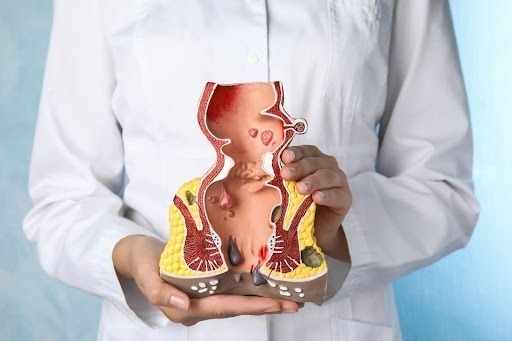
Piles occur when veins in the lower rectum or anus swell under pressure. They may sit inside the rectum (internal piles) or develop around the anal opening (external piles).
Mild cases often improve with fibre-rich foods, water and sitz baths. But if you pass blood, feel a painful lump or endure constant itching, it could be time to consult a piles surgery specialist.
Read more about piles surgery specialist’s training, services and how to get an appointment on this page: https://drtansiongsan.com.sg/hemorrhoid-piles-surgery/. When visiting a good piles surgery specialist, they will begin with taking a detailed history and may perform a simple examination or scope test.
This helps them stage your piles from grade I (minor swelling) to grade IV (large prolapsed veins that won’t return inside). Accurate staging is crucial as it guides the choice of treatment whether a quick outpatient banding or a more advanced stapler or laser procedure.
Which Method is Best for Piles?
Piles vary depending on severity and type of haemorrhoids. That means that to choose the best method for piles for you, a piles surgery specialist will want to weigh several factors. These include:
- Piles Grade and Location: Banding works best for internal piles up to grade III. Prolapsed grade IV piles often need stapler repair or laser. External piles may also need surgical excision.
- Symptom Severity: If bleeding is frequent or piles cause severe discomfort, your specialist may skip simple banding in favour of stapler or laser for a more lasting fix.
- Pain Tolerance and Recovery Goals: If you’re eager to return quickly, you may choose laser for its low pain profile. However, if comfortable with mild post-op discomfort and budget concerns, you might opt for banding.
- Medical History and Overall Health: Anaesthetic risk, bleeding disorders or inflammatory bowel disease can rule out certain procedures. Your specialist tailors the plan to your health needs.
With that out of the way, here’s what you need to know about the most common options for piles removal;
-
Rubber Band Ligation
Rubber band ligation, or banding, is a common first-line treatment for internal piles up to grade III. During the procedure, your specialist places a tiny elastic band at the base of the swollen vein inside your rectum.
The band cuts off blood flow, causing the pile to shrink and fall off within a week. You usually have this done in the clinic without general anaesthesia.
The process is quick, takes minutes and involves only mild discomfort, often described as a brief pinch or cramp. After banding, you may feel a dull ache or pressure for a day or two.
You may be given over-the-counter pain relief and a warm bath help ease this. Most people return home the same day and resume normal activities within 24 to 48 hours.
You might notice a small amount of bleeding when the treated tissue detaches but this is normal. However, it is worth mentioning if it becomes heavy.
-
Stapler Haemorrhoidopexy
Stapler haemorrhoidopexy is sometimes called the stapler procedure. It suits grade II to III piles or prolapsed tissue.
Under general or spinal anaesthesia, your specialist uses a circular stapling device to excise a ring of rectal mucosa above the piles. This lifts and repositions the swollen veins and cuts off their blood supply.
Because the cuts sit above the sensitive anal canal, pain after stapler repair tends to be milder than open surgery. Most patients stay in hospital for one day.
You may feel a sense of fullness or mild cramps for two to three days. Your specialist will prescribe simple painkillers and advise a soft diet to ease bowel movements.
Stapler haemorrhoidopexy speeds up recovery and many people are able return to work within a week. It also lowers the chance of external skin tags or narrow anal scars.
However, it carries a small risk of complications like bleeding or rarely strictures. To help you make an informed decision, a good piles surgery specialist will discuss these with you before booking your procedure.
-
Laser Ablation
Laser ablation offers a modern, precise way to treat internal and small external piles. Using a specialised laser fibre, your specialist delivers targeted energy to seal off bleeding vessels.
This approach causes minimal damage to surrounding tissue and reduces post-operative pain. You typically have laser treatment under local anaesthesia with sedation or a short general anaesthetic.
The laser fibre passes through a small probe into the pile, closing the vein in seconds. You may feel warmth or mild discomfort during the pulse, but serious pain is rare.
After the session, you rest for a few hours before going home the same day. Recovery from laser ablation is often quicker than other options.
Most patients report only a mild ache that settles within 24 to 48 hours. You can shower and sit comfortably soon after treatment.
Bowel movements resume normally with a fibre-rich diet and stool softeners. While laser ablation has success rates above 72 %, it can cost more than banding. Your piles surgery specialist may recommend it when fast recovery and minimal pain are top priorities.
How to Prepare for Piles Removal
Preparation for piles removal whether stapler, banding or laser shouldn’t be difficult. Typically, the first thing you will want to do is discuss medications.
Tell your piles surgery specialist about blood thinners, anti-inflammatories or herbal supplements if you have been using any of them as they can increase bleeding risk. You may need to pause certain drugs days before treatment.
In the days before your procedure, eat plenty of fibre and drink water to soften stools and reduce straining. Avoid heavy, spicy meals 24 hours before surgery to prevent nausea.
You will also want to plan for someone to drive you home if you have sedation or anaesthesia. Have a friend or family member stay with you for the first night to ensure you rest safely.
Importantly, remember to stock up on stool softeners, wet wipes and barrier creams. This is important because you will want to keep the area clean and moist after treatment to ease discomfort and speed healing.
Closing Thoughts
The best method of piles removal depends on your piles grade, symptoms and recovery goals. A good piles surgery specialist will be able to guide you through each option with clear, personalised advice.
If you’re looking to find your ideal treatment, please book a consultation with our Piles surgery specialist in Singapore today and see which option is best suited to your needs. Details below:

