

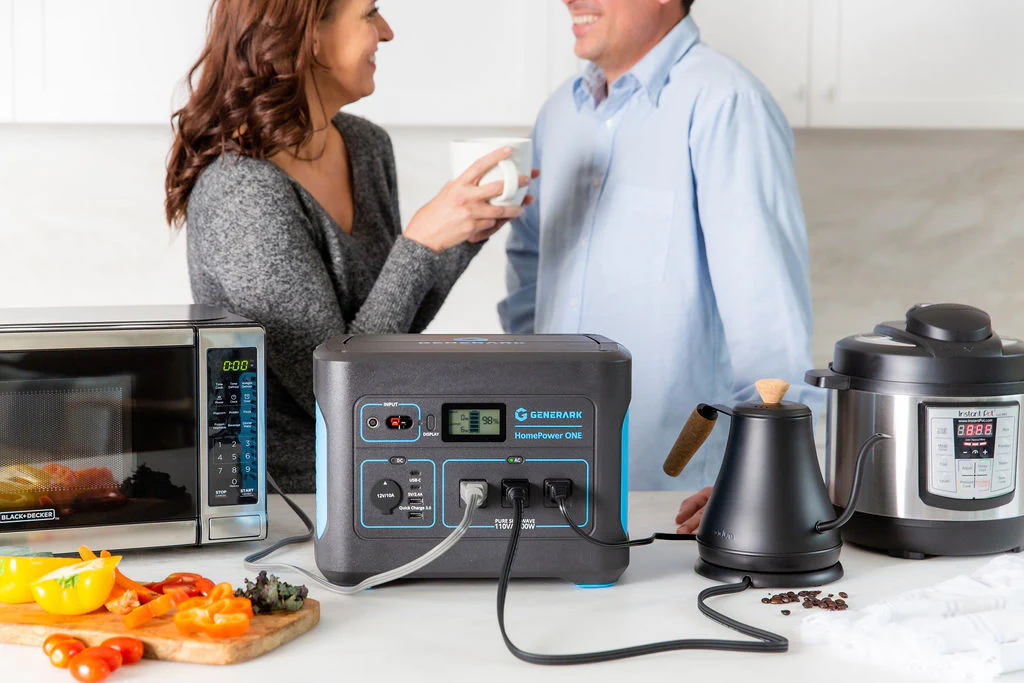
Power outages can occur unexpectedly, interrupting your home’s comfort, safety, and routine. Preparing for a backup power solution allows you to maintain control. Whether you’re dealing with storms, rolling blackouts, or grid outages, having the correct system and strategy in place means you won’t be left in the dark. It’s not enough to have a generator or battery backup; you also need to know what to power, how to utilise energy intelligently, and how to be safe. This tutorial outlines what to do before and during an outage so that you can respond calmly and keep your home functioning efficiently.
Maintaining these systems is just as important as the initial selection to ensure they remain dependable during a crisis. Regular inspections of your home’s electrical connections and backup hardware can prevent unexpected failures when you need them most. Many homeowners find that working with experienced technicians, such as the team at Service Stars, can help identify potential issues with transfer switches or standby units before a storm arrives. Keeping your equipment in top condition supports a faster response to grid instability and helps protect your appliances from the mechanical stress caused by sudden power fluctuations.

What Should You Do Before an Outage Happens?
Identify Your Essential Appliances and Devices
Make a list of the appliances and gadgets you need to continue using in the event of an outage. Prioritise stuff like refrigerators, freezers, medical equipment, lighting, routers, and phone chargers. If you work from home, add laptops and modems. Add electric blankets or space heaters for chilly climes, and fans for hot ones. Knowing what matters most helps you estimate your power demands and prevent overloading your system. Note the wattage of each item and the number of hours you anticipate using it each day. This list will help you choose the best backup power system and make effective use of it in the event of a power outage.
Choose the Right Backup Power Solution
Choosing a dependable backup power option is determined by your energy requirements and home size. Portable generators are useful for short-term power outages, but they require fuel and should be used outside. Whole-home standby generators deliver continuous electricity but have greater installation expenses. A home battery backup system operates quietly, cleanly, and automatically, making it perfect for interior usage and solar integration. Look for systems that have adequate power and runtime to handle your critical loads. Check for safety measures such as overload and surge protection. Consider several recharge alternatives, such as AC, solar, or both. Choose a system that strikes a balance between power output, budget, and convenience of use to ensure you are always prepared. Reliable home preparations should also extend to automated access infrastructure. If severe weather or grid failure interrupts your electricity, manual overrides must be fully operational to prevent your vehicles from being trapped inside. Scheduling routine maintenance and garage door repair toledo ohio can ensure that spring assemblies, track alignment, and emergency release cords are prepared to function smoothly without electrical power.

Stock Emergency Supplies and Create a Plan
Backup power is essential, but you also need supplies and a solid emergency plan. Keep flashlights, batteries, non-perishable food, bottled water, a first-aid kit, and basic tools. Include prescriptions and hygiene products as required. Make sure you have extra chargers for your phones and power banks. Have additional gasoline or solar panels available for your generator. Create a communication strategy with your family in case of a phone outage. Learn how to manually open your garage door and where to turn off water and gas connections. Ensuring you can manually operate your entry points is a vital part of home safety during a blackout. If your overhead door becomes stuck or unresponsive due to a power surge or mechanical failure, it can trap your vehicle inside or leave your home vulnerable. Many residents find that local expertise is helpful for maintaining these heavy mechanical systems to prevent such issues. Seeking professional garage door repair in Ashland can ensure that your tracks, springs, and manual release cables are in good working order before a storm hits. Keeping these components lubricated and aligned supports smooth operation, providing you with reliable access to your home and vehicle when the electricity fails. Display emergency numbers where everyone can see them. A thorough strategy allows you to remain calm and in control throughout any downtime.
Establishing a robust defense against grid instability involves more than just purchasing hardware; it requires a strategic understanding of your household’s specific energy demands. Homeowners often prioritize climate control and refrigeration, yet overlooking smaller essentials like medical devices or security systems can lead to significant vulnerabilities during a prolonged blackout. To better understand how these systems integrate with your existing electrical infrastructure, you can Click here and review the technical specifications necessary for a seamless transition. By matching your generator’s output to these critical loads, you ensure that the system remains efficient without becoming overloaded. This proactive approach to energy management ultimately transforms a standard residence into a resilient sanctuary capable of weathering any seasonal disruption.
What Should You Do During an Outage?
Switch to Backup Power Safely
When the power goes out, turn on your backup system carefully. If you’re using a generator, place it outside and away from windows to avoid CO accumulation. Never connect it directly to a wall socket without a transfer switch. For battery systems, make sure the inverter is turned on and the loads are balanced. To avoid damage to your equipment, follow the manufacturer’s recommendations. Turn on vital appliances first and make sure the system can manage the load. Don’t hurry; safety comes first. If your system incorporates solar panels, ensure that they are clean and properly positioned to continue charging. Safe activation maintains your house operational and risk-free.
Preparing your household mechanics for an emergency context involves verifying that heavy entry points can still function correctly. Heavy components like automated garage assemblies can face sudden structural or electrical risks during severe seasonal downpours or power surges. Property owners who ensure their hardware undergoes regular adjustments can avoid getting stuck. Utilizing professional garage door repair and installation in Rockport ME can keep vital manual overrides and track systems working effectively before extreme grid strain begins.
Run Only the Essentials and Conserve Energy
Concentrate exclusively on critical loads to increase backup power. Run one appliance at a time when practical, and avoid using high-wattage equipment like microwaves or air conditioners until required. Use LED lights and disconnect things you’re not using. Limit screen time, keep refrigerator doors closed, and turn off equipment while idle. Check your power station’s display or app to check battery levels and output. Conservation helps preserve power throughout the outage, especially during lengthy blackouts. If utilising solar, organise activities around high sun hours. By managing energy carefully, you’ll keep vital devices operating longer and avoid sudden shutdowns.
Stay Informed and Communicate Clearly
Staying informed during an outage allows you to adapt to changing situations more effectively. To be informed about weather, utility warnings, and safety advisories, use a battery-powered radio or a charged phone. Inform relatives or neighbours about your situation and requirements. Share your location in case emergency assistance is necessary. Limit your phone’s screen time and disable any superfluous applications to save battery life. If your backup power source includes Wi-Fi, stay connected for more dependable information. Maintain contact information and communicate with loved ones on a regular basis. Clear, regular communication and access to correct information enhance your safety and alleviate worry during extended power outages.
Conclusion
Preparing for a power outage means more than buying a generator—it’s about having a full plan. Start by identifying critical devices, then choose the right battery backup for home or generator system that meets your needs. Stock vital supplies and ensure that everyone in the household understands the emergency plan. When the lights go out, switch to your backup system securely, conserve energy, and keep informed. Taking these precautions in advance reduces a stressful outage to a bearable scenario. With the proper setup and planning, your house will remain secure, connected, and pleasant, regardless of when or why the electricity goes out.

