

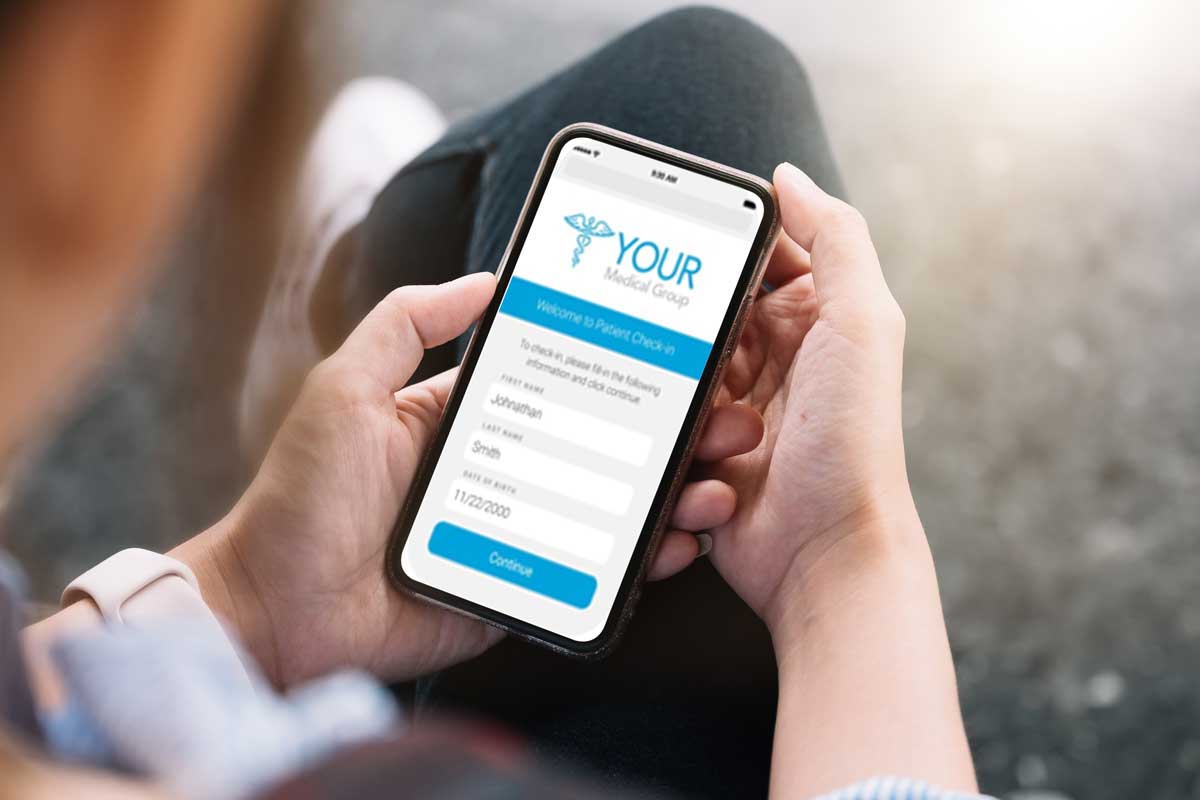
Contactless patient intake can help clinics improve efficiency while creating a smoother check-in experience for patients. With the right digital intake tools, practices can reduce paperwork, shorten wait times, collect accurate information earlier, and ease the workload on front desk staff. Use the steps below to introduce contactless patient intake in a way that feels simple, organized, and easy for both patients and your team.
Assess Your Current Intake Process
The first step to going contactless is evaluating how your patients currently move through the check-in process. Map out every touchpoint, from appointment scheduling and pre-visit paperwork to check-in, insurance verification, and consent forms. This assessment helps you identify where patients still use paper documents, shared tablets, or face-to-face interactions so you can work on eliminating those touchpoints.
Many clinics that do this find the biggest opportunities for improvement come from replacing manual paperwork with secure digital forms and letting patients complete check-in tasks before they arrive. Understanding these bottlenecks makes it easier to prioritize the workflow changes that can have the biggest impact.
Implement Digital Registration Forms
Digital intake forms are the foundation of a contactless check-in experience. Patients should get secure electronic forms over email or text message after they schedule their appointment. These forms can collect personal information, medical history, insurance details, medications, allergies, and required consent signatures before they visit. Allowing patients to complete forms at home is convenient and reduces congestion in waiting rooms. It also gives staff more time to review the information for accuracy before the appointment.
Offer Mobile Check-In
Once the digital paperwork is done, patients should have the option to check in on their smartphones. A mobile check-in system can send a reminder on the day of the appointment with a link to confirm arrival, update contact information if needed, and notify the front desk that the patient has arrived.
Integrate Insurance Verification and Payments
A truly contactless intake process should also include electronic insurance verification and digital payment options. Patients can upload insurance cards through a secure portal, and staff can verify eligibility before the patient arrives to avoid front-desk issues. Online payment options allow patients to pay their co-pays or deductibles before arriving or right from their mobile devices. Eliminating paper receipts and physical payment terminals streamlines the visit even more while reducing administrative work.
With these steps in place, you can begin to train your staff on your new contactless patient intake process and the software you’ll be using. Be sure to consistently update training and improve your processes as needed to keep workflows as streamlined as possible.

