

Writing is part of almost every professional and personal workflow. Whether you’re replying to emails, creating marketing campaigns, preparing presentations, publishing blog posts, or communicating with customers, strong writing helps ideas become clear, persuasive, and memorable.
While every writing task is different, many people face similar challenges: finding the right words, overcoming writer’s block, maintaining a consistent tone, and communicating ideas efficiently. Modern AI writing assistants are helping solve these problems by supporting different stages of the writing process rather than simply generating text from scratch.
Writing Starts with Ideas
One of the most difficult parts of writing is getting started.
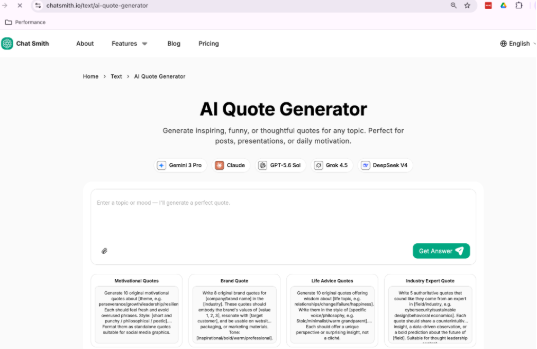
Before drafting an article, presentation, or campaign, writers often need a compelling message that captures attention and sets the right tone. This is where an AI Quote Generator can be particularly useful.
Rather than searching through collections of existing quotations, users can generate original, context-aware quotes based on a topic, audience, or purpose. These quotes can be used to open presentations, introduce blog posts, strengthen marketing campaigns, add captions to social media content, or inspire speeches and newsletters.
Instead of replacing creativity, AI helps generate fresh perspectives that writers can build upon and adapt to their own voice.
Turning Ideas into Clear Communication
Once ideas have been developed, the next challenge is communicating them effectively.
Professional communication often requires writing emails that are clear, concise, and appropriate for different audiences. Whether you’re responding to clients, following up after meetings, reaching out to potential customers, or coordinating with colleagues, well-written emails help build trust and improve collaboration.
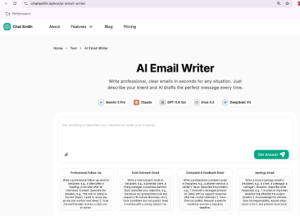
An AI Email Writer can help draft professional emails more efficiently by adapting tone, structure, and wording to different situations. Instead of rewriting the same messages repeatedly, users can quickly create personalized emails for customer support, sales outreach, project updates, interview follow-ups, internal communication, and many other everyday business scenarios.
This allows professionals to spend less time formatting emails and more time focusing on meaningful conversations.
AI Supports More Than Individual Tasks
Modern writing rarely happens in isolation.
A single project might involve brainstorming ideas, outlining content, drafting paragraphs, preparing emails, summarizing research, and refining the final message before publication.
Instead of relying on separate tools for each task, many professionals now prefer AI platforms that support multiple stages of the writing process within one workspace. Keeping ideas, drafts, and communication together reduces context switching and creates a more efficient workflow.
What Makes an Effective AI Writing Assistant?
Choosing an AI writing assistant is no longer just about generating text quickly. The most useful platforms help users throughout the entire writing journey.
An effective AI writing assistant should help users:
- Brainstorm ideas and overcome writer’s block.
- Adapt writing for different audiences and communication styles.
- Produce clear, professional business communication.
- Support creative writing as well as practical workplace tasks.
- Keep the writing process organized from first draft to final version.
Rather than replacing the writer, AI works best as a collaborative assistant that helps improve clarity, consistency, and productivity while leaving creative decisions to people.
Why an Integrated Writing Workspace Matters
As AI becomes part of everyday work, integrated writing environments are becoming increasingly valuable.
Instead of switching between multiple applications for brainstorming, drafting, editing, and communication, platforms that combine these capabilities allow users to stay focused on their work.
Chat Smith follows this approach by bringing together AI conversation, writing assistance, research support, and specialized writing tools within a single workspace. Whether you’re looking for inspiration through an AI Quote Generator, drafting professional communication with an AI Email Writer, or developing longer-form content, users can move naturally between different writing tasks without losing context.
This connected workflow makes it easier to transform ideas into polished communication while reducing repetitive work across multiple projects.
AI Enhances Human Writing
AI doesn’t replace thoughtful writing—it supports it.
People still decide what they want to communicate, who they’re writing for, and how their message should be presented. AI simply helps organize ideas, generate alternatives, improve efficiency, and reduce repetitive writing tasks.
The strongest results come from combining human creativity with AI assistance, allowing writers to spend more time refining ideas and less time struggling with routine drafting.
Conclusion
Every piece of writing begins with an idea and ends with communication. Along the way, writers brainstorm, organize thoughts, draft content, revise messages, and adapt their tone for different audiences.
AI writing assistants are becoming valuable companions throughout this process. An AI Quote Generator can help spark inspiration at the beginning of a project, while an AI Email Writer supports clear and professional communication once ideas are ready to share.
By bringing these capabilities together within a unified workspace, Chat Smith helps individuals and teams write more efficiently, maintain consistency across different writing tasks, and move from inspiration to polished communication without constantly switching between separate tools.

